


White-faced Whistling Duck
Dendrocygna viduata

Number Of Mature
Individuals (Regional)
>10 000

Regional
Population Trend
Decreasing
2025
Regional Category
Least Concern
Search by species
CONTENTSOverview
Names
|
IOC English Name: |
White-faced Whistling Duck |
|
SA & IOC Scientific Name: |
Dendrocygna viduata |
|
BirdLife International Taxonomy (scientific name): |
Dendrocygna viduata |
|
Order: |
ANSERANATIDAE |
|
Family: |
Anatidae |
|
Species name author: |
Linnaeus 1766 |
|
Afrikaans: |
Nonnetjie-eend |
|
Sesotho (South Africa) |
letata-letsamelodi |
|
Sesotho (Lesotho): |
letata-letsameloli |
|
Siswati |
Indzindzawo |
|
Zulu |
inzwinzwinzwi |
Current Assessment Status
|
2025 Regional Category [Criteria] |
LC |
|
2024 Global Category [Criteria] |
LC (BirdLife International 2024) |
|
Population size (Regional) |
Unknown |
|
Population size (Global) |
1 410 000 – 1 700 000 (Wetlands International 2023) |
|
Distribution size (EOO) (Regional) km2 |
1 259 717 (Lee 2024) |
|
Distribution size (EOO) (Global) km2 |
75 400 000 (BirdLife International 2024) |
|
Distribution size (AOO) (Regional) km2 |
377 400 (BIRDIE 2024) |
|
Generation time |
5.51 years (BirdLife International 2024) |
|
Status change reason |
No change |
|
Migrant (in the region) |
No |
|
Regional endemic |
No |
Historic Listing Information
|
2000 Regional Status |
Not Evaluated |
|
2015 Regional Status |
Not Evaluated |
|
Status change reason (if applicable) |
Not applicable |
|
2015 Population size (Regional) |
Unknown |
|
2015 Global Status |
LC (BirdLife International 2016) |
Reason for Inclusion
Reason for Inclusion in the Assessment
Preliminary screening of Coordinated Waterbird Counts (CWAC) data indicated a significant decline in the number of White-faced Whistling Duck Dendrocygna viduata counted per year (Lee 2024).
Category Justification
Category Justification
White-faced Whistling Duck do not meet any of the thresholds for Criteria A – D for threatened species and is therefore assessed as regionally Least Concern. Although there is some evidence that the regional population is in decline (17% modelled range contraction), the rate of decline does not yet meet the ≥30% Vulnerable threshold under Criterion A. The species is common and widespread throughout the region.
Population Justification
The global population is estimated at 1 410 000 – 1 700 000 (Wetlands International 2023). Regional population size is unknown but assumed to be very large. Previous estimates for Southern and Eastern Africa exceeded a million birds (Colahan 2005, Kear 2005). Regional population almost certainly exceeds >10 000 mature individuals.
Trend Justification
The overall population trend globally is considered increasing, although some populations are decreasing (Wetlands International 2023).
Regionally, both the Southern African Bird Atlas Project (SABAP2) and CWAC datasets indicate a declining population. CWAC data excluding outlier counts (>2000 individuals at a site) and using a Generalized Additive Model implemented with the poptrend package in R estimated percent change for the period 2007 to 2023 (three generations) as 40% (Figure 1, 95% CI: -69%, 7.8%). The predicated range change (proxy for population size) over three generations using bird atlas data indicated a decline of 13.5%, particularly in the drier interior parts and upland regions of South Africa (Figure 2, Lee 2024).
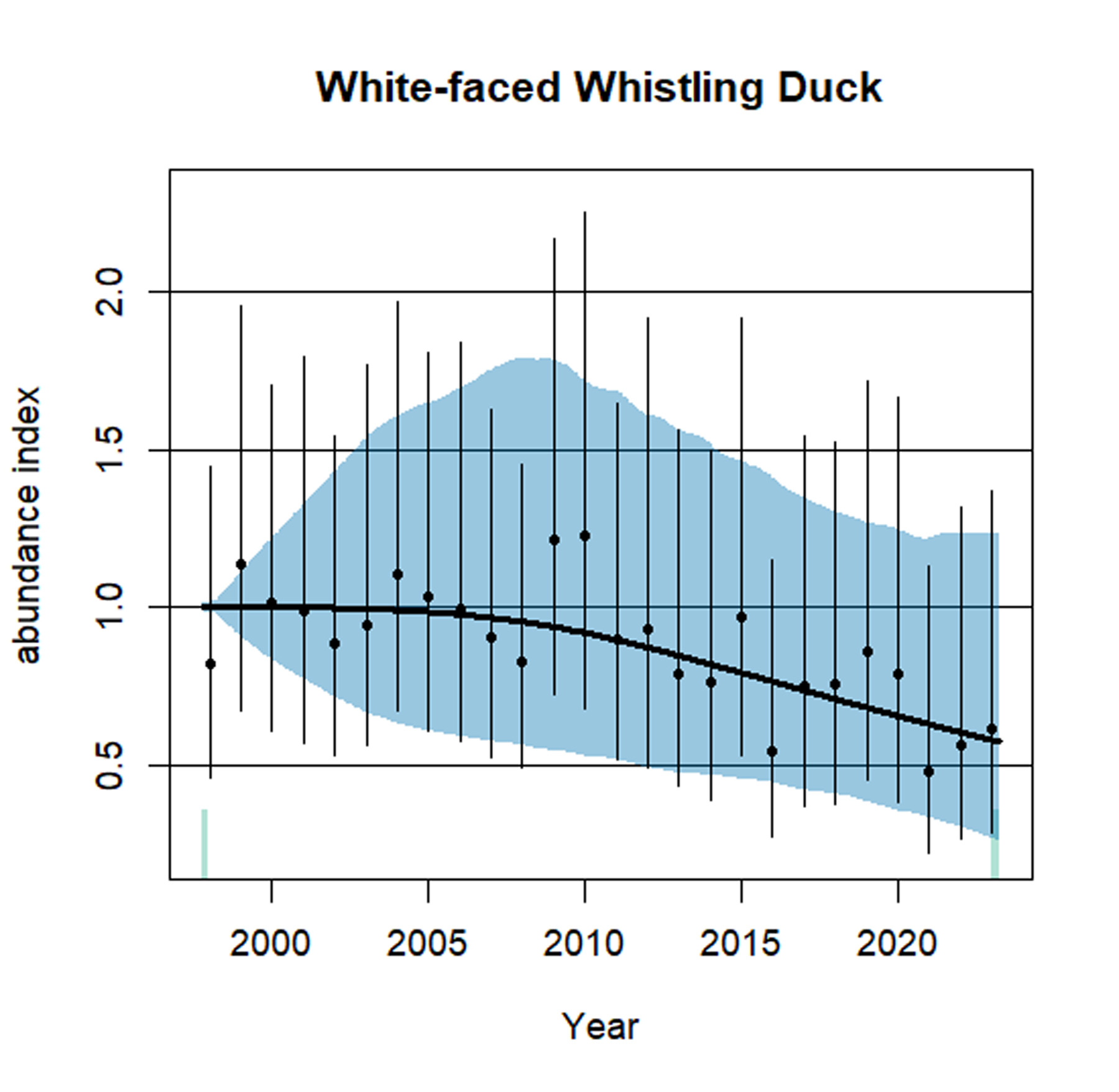
Figure 1: Population trend from CWAC data using a GAM model implemented using the poptrend R package (Knape 2016), using count data filtered to <2000 to remove outliers.
While estimates do not yet reach the threshold of Vulnerable or Near Threatened this species is in decline in the region and needs monitoring. Confidence in these estimates are high.
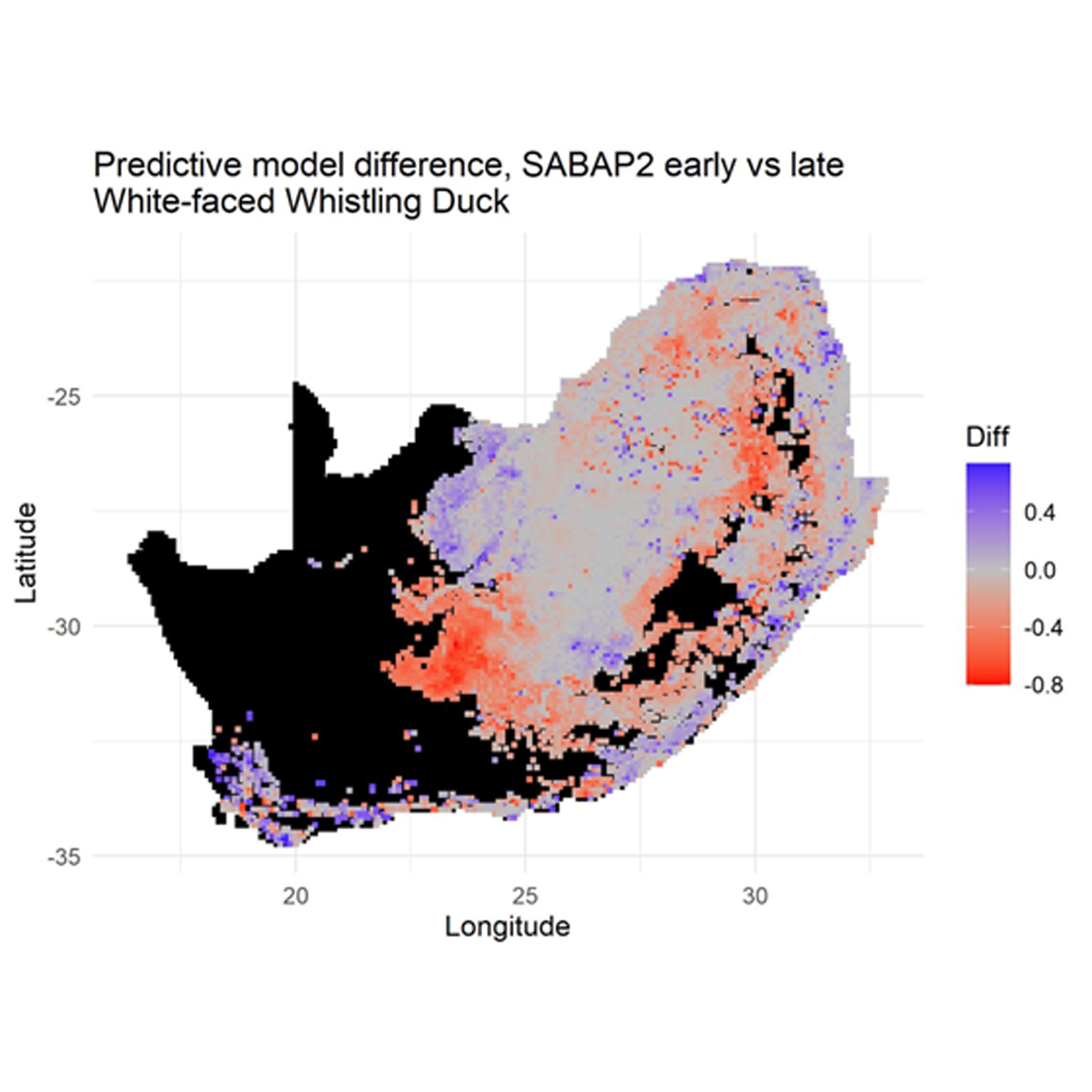
Figure 2: Modelled results from Table 2, displaying the results from a predictive occurrence modelling routine using early (data up to and including 2015) and late SABAP2 records. Results are displayed as a heatmap (late minus early), with red indicating lower probability of recording for the more recent period, and blue indicating higher (from Lee 2024).
Biology & Ecology
Taxonomy
Monotypic.
Identification
46–48 cm (Colahan 2005). Sexes have similar plumage. The back of the head and neck is black, while the front face, chin and throat are white, which gives this duck its name, “white faced” (Carboneras and Kirwan 2020). Often has a black stripe that separates its chin and throat (Colahan 2005). The lower neck and upper breast are a chestnut colour (Colahan 2005). The rest of the underparts to the tail are black, except for the breast-sides and flanks, which are ochre, white barred with black (Carboneras and Kirwan 2020). The back is olive-brown with buff-brown fringes on the feathers, the scapulars are grey-brown, and the lesser wing-coverts are dark chestnut (Carboneras and Kirwan 2020). The rest of the wings are bluish grey to black (Carboneras and Kirwan 2020). They have a long black/grey bill with a blueish tinge near the tip (Colahan 2005). Eyes are brown and legs and feet are bluish grey (Colahan 2005). Juveniles are similar to adults however their heads are duller (Carboneras and Kirwan 2020).
Distribution
Widely distributed throughout sub-Saharan Africa except the arid areas (Colahan 2005) as well as West Africa and the Sahel (Figures 3 and 4). White-faced Whistling Ducks have been recorded in 416 pentads containing protected areas but is recorded in more unprotected pentads (2044), where it also occurs at a higher reporting rate (Lee 2024). This suggests key sites may not have protected status.
In South Africa, the White-faced Whistling Duck is widespread in the northeast and is common in the lowveld and bushveld, where it is often the most plentiful duck (Tarboton et al. 1987). It is a common resident in Gauteng and widespread in KwaZulu-Natal, particularly along the coastal belt, central Midlands, and northwestern basin plains (Clark 1974, Colahan 1984). In the Free State, it is widespread in the northern and central regions, with scattered populations further south (Colahan 1984). Further south, it is scattered and irregular, ranging from the Eastern Cape to the Western Cape (Colahan 1984, Quickelberge and Clancey 1989).
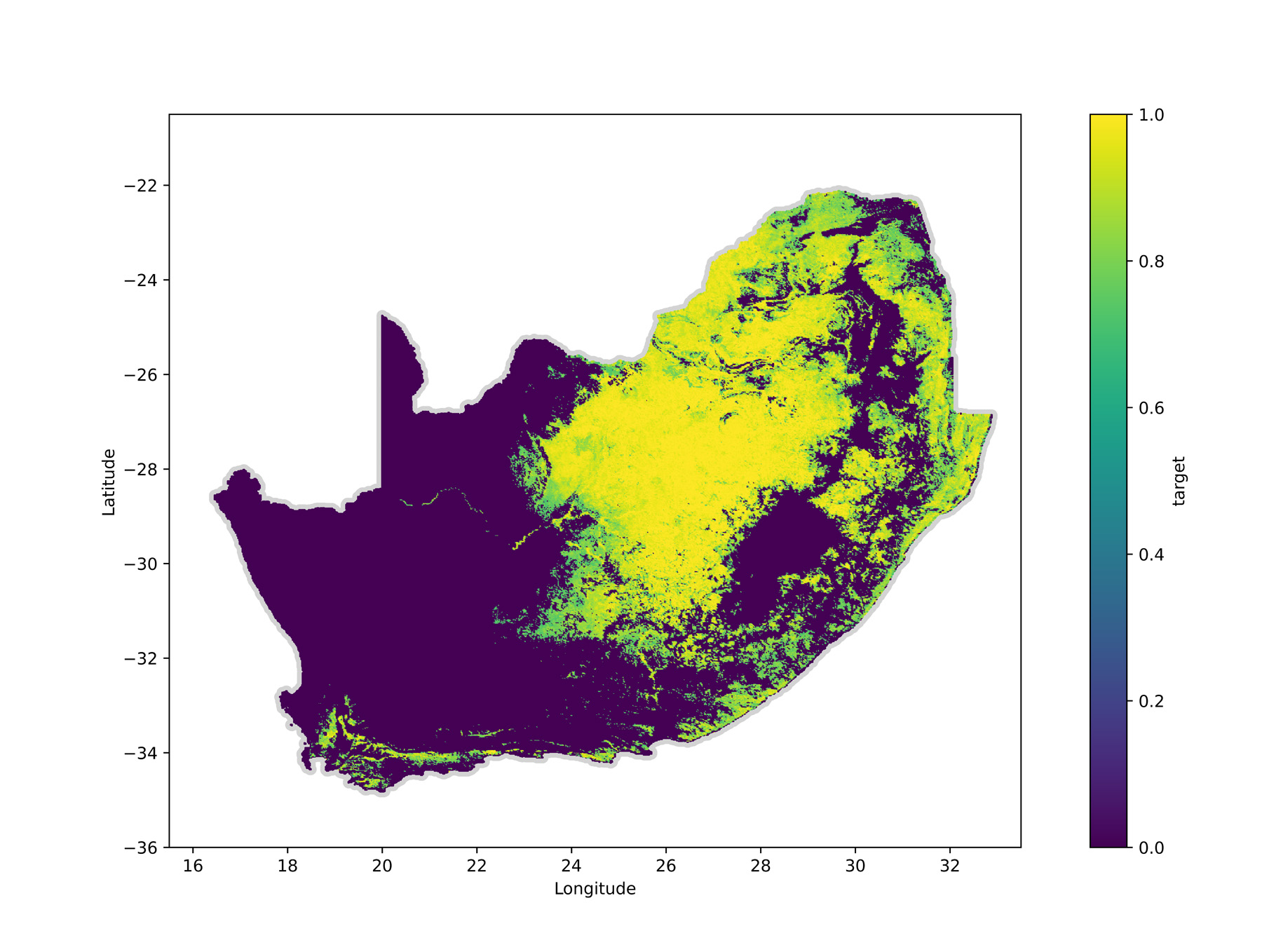
Figure 3: White-faced Whistling Duck distribution based on BirdLasser, iNaturalist and eBird data indicating a widespread distribution (Lee 2024).
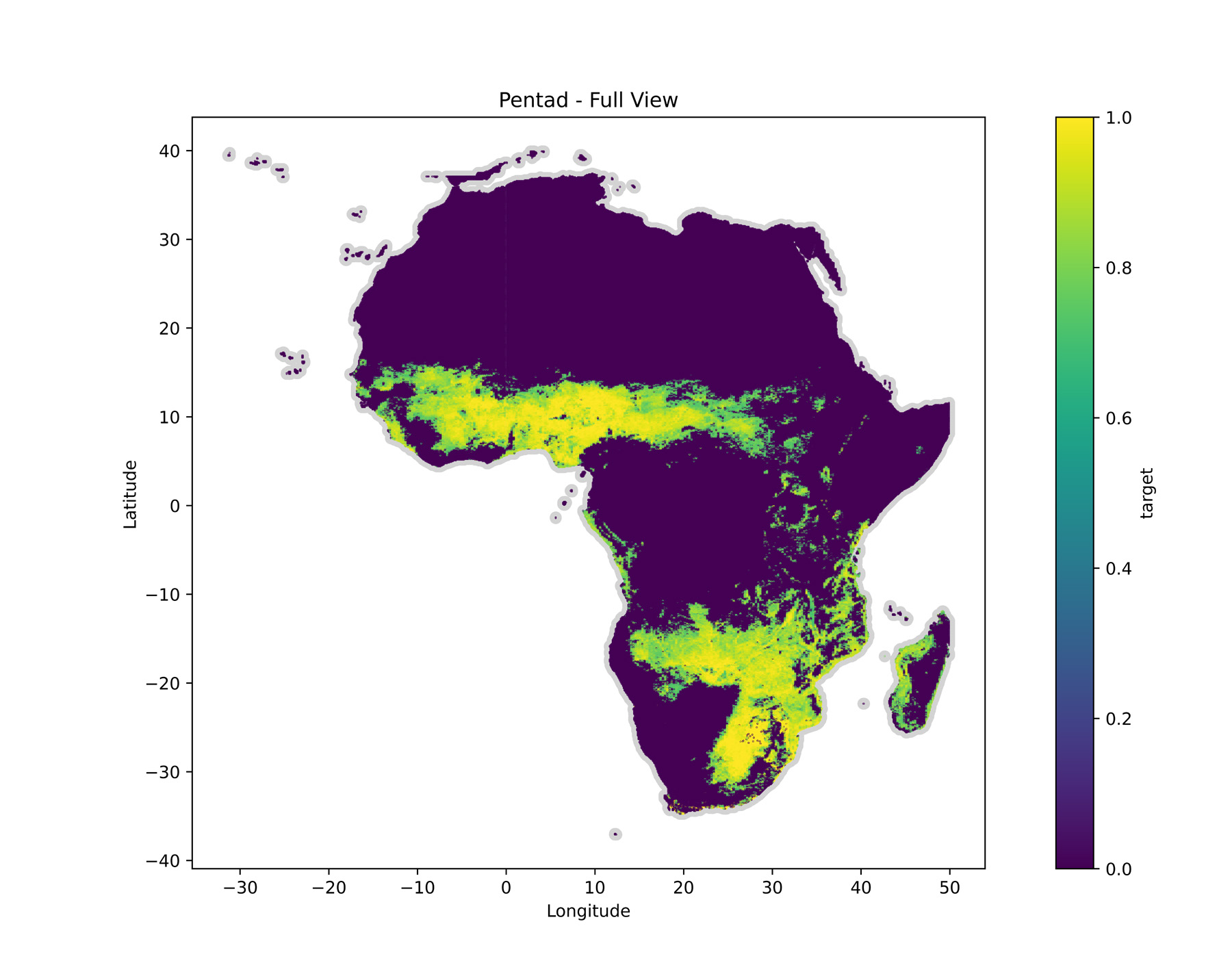
Figure 4. White-faced Whistling Duck distribution on the African continent based on ABAP, iNaturalist and eBird data (Lee 2024).
Ecology
Habitat:
The species inhabits a diverse range of freshwater habitats including wetlands, lakes, swamps, marshes, estuaries, rivers, river deltas, and floodplains (Madge and Burn 1988, del Hoyo et al.1992, Kear 2005). It can also utilise artificial habitat such as reservoirs and sewage ponds (Johnsgard 1978, Madge and Burn 1988, Kear 2005). Adults need densely vegetated permanent wetlands for cover during their flightless post-breeding moult period (Colahan 2005, Kear 2005), while breeding birds favour more ephemeral wetlands (Colahan 2005).
Migration:
Migration is subject to local movements depending on availability of water (Colahan 2005).
Breeding:
Breeding time varies geographically in South Africa but typically starts at the beginning of the rainy season and peaks between December to February (Tarboton 2001). Breeds within the first year (Zaloumis 1987). The nest is a scrape in the ground and is made using surrounding vegetation such as leaves and stems of plants, with no or little down (Tarboton 2001). The nest is well concealed in long grass or sedges (Tarboton 2001). Clutch size ranges from 4–13 eggs laid at 24 day intervals (Clark 1976, Tarboton 2001). Incubation period lasts 26–30 days and is done by both sexes, but mainly by the male with change overs occurring in the morning and evenings (Tarboton 2001, Kear 2005). Fledging occurs approximately 77–83 days after hatching (Colahan 2005). Longevity for ringed birds was between 5–8 years (Underhill et al. 1999).
Breeding success is influenced by rainfall and the extent and duration of flooding (Colahan 2005). It is likely that they have only one brood per season (Colahan 2005). During the post-breeding period on the Witwatersrand in South Africa from 1971 to 1972, juvenile birds made up 44–55% of the flocks (Colahan 2005). However, after poor rainfall in 1973, the proportion of juveniles dropped to just 4–10% (Clark 1976).
Diet:
The species’ diet is varied and includes grasses, tubers, pondweed and aquatic seeds (del Hoyo et al. 1992, Colahan 2005). Additionally, it feeds on aquatic invertebrates, including mollusks, crustaceans, and insects (del Hoyo et al. 1992, Kear 2005).
Threats & Conservation
Threats
White-faced Whistling Duck are susceptible to avian botulism (van Heerden 1974) and avian influenza (Gaidet et al. 2007) and may be threatened by future outbreaks of these diseases regionally (Russell et al. 2019). Extensively hunted elsewhere in its range, but this is not known to be a regional threat (BirdLife International 2024).
Additionally, this species is likely to be threatened by the continued degradation of wetland habitats. Wetland habitats in South Africa are highly vulnerable to pollution, cultivation, overgrazing, artificial alteration of water depth (damming and flooding) and development (Skowno et al. 2019).
Conservation Measures Underway
No species-specific measures in place.
Conservation Measures Proposed
Seasonal CWAC counts need to be maintained. All wetland waterbird species are reliant on large-scale restoration and rehabilitation of wetland habitats. Pollution needs to be addressed.
Maintain protection of moulting locations. As with other smaller dabbling ducks, this species depends on a relatively small number of large, deep wetlands for annual flightless moult.
Research Priorities and Questions
- Size of regional population needs to be established.
- Trend of regional population needs to be confirmed.
- Confirm whether there is any evidence of significant hunting occurring regionally.
- Movement ecology of White-faced Whistling Duck is poorly understood and the degree to which different populations are interconnected is unclear.
Contributors & References
Assessor/s
Sanjo Rose, Maria Paul
Reviewer/s
Graeme Cumming
References
BIRDIE. 2024. An online platform for African wetland and waterbird data. Available at: https://biodiversityadvisor.sanbi.org/contentmanagement/index?guid=42305260-12b0-4a92-912e-7d801d15fdac.
BirdLife International. 2016. Dendrocygna viduata. The IUCN Red List of Threatened Species 2016. Available at: https://dx.doi.org/10.2305/IUCN.UK.2016-3.RLTS.T22679763A92829021.en [Accessed on 17 April 2024].
Brown LH, Urban EK, Newman K. 1982. The Birds of Africa, vol. 1. London: Academic Press.
Carboneras C, Kirwan GM. 2020. White-faced Whistling-Duck (Dendrocygna viduata), version 1.0. In: del Hoyo J, Elliott A, Sargatal J, Christie DA, de Juana E (eds), Birds of the World. Ithaca, NY, USA: Cornell Lab of Ornithology. Available at: https://doi.org/10.2173/bow.wfwduc1.01 [Accessed on 27 May 2024].
Clark A. 1974. The status of the whistling ducks in South Africa. Ostrich 45: 1–4.
Clark A. 1976. Observations on the breeding of whistling ducks in Southern Africa. Ostrich 47: 59–64.
Colahan BD. 1984. The ecology and conservation of waterfowl in Natal. MSc thesis, University of Natal, South Africa.
Colahan BD. 2005. White-faced Duck. In: Hockey PAR, Dean WRJ, Ryan PG (eds). Roberts – Birds of Southern Africa 7th Edn. Cape Town: Trustees of the John Voelcker Bird Book Fund. pp 86–87.
del Hoyo J, Elliott A, Sargatal J. 1992. Handbook of the Birds of the World, vol. 1: Ostrich to Ducks. Barcelona, Spain: Lynx Edicions.
Gaidet N, Dodman T, Caron A, Balanca G, Desvaux S, Goutard F, Cattoli G, Lamarque F, Hagemeijer W, Monicat F. 2007. Avian Influenza Viruses in Water Birds, Africa. Emerging Infectious Diseases 13(4): 626–629.
Johnsgard PA. 1978. Ducks, Geese and Swans of the World. Lincoln and London: University of Nebraska Press.
Kear J. 2005. Ducks, Geese and Swans, vol. 1: General chapters; species accounts (Anhima to Salvadorina). Oxford, UK: Oxford University Press.
Knape J. 2016. Decomposing trends in Swedish bird populations using generalized additive mixed models. Journal of Applied Ecology 53: 1852–1861.
Lee ATK. 2024. Regional Red Data Book of the Birds of South Africa, Lesotho and Eswatini: SABAP2 synthesis and supporting information and graphics for White-faced Whistling Duck. Unpublished report. Johannesburg: BirdLife South Africa.
Madge S, Burn H. 1988. Wildfowl. London: Christopher Helm.
Quickelberge CD, Clancey PA. 1989. Birds of the Transkei. Durban: Durban Natural History Museum.
Rogers KH, Breen CM. 1990. Waterfowl of a subtropical floodplain 1. Seasonality of community composition and food resources. Wetlands Ecology and Management 1(2): 85–97.
Russell I, Rodney M, Randall DZ, Govender D. 2019. Outbreak of avian botulism and its effect on waterbirds in the Wilderness Lakes, South Africa. Koedoe 61.
Skowno AL, Poole CJ, Raimondo DC, Sink KJ, Van Deventer H, Van Niekerk L, Harris LR, Smith-Adao LB, Tolley KA, Zengeya TA, Foden WB, Midgley GF, Driver A. 2019. National Biodiversity Assessment 2018: The Status of South Africa’s Ecosystems and Biodiversity. Synthesis Report. Pretoria, South Africa: South African National Biodiversity Institute, Department of Environment, Forestry and Fisheries.
Tarboton W. 2001. A Guide to the Nests and Eggs of Southern African Birds. Cape Town, South Africa: Struik Publishers.
Tarboton WR, Kemp MI, Kemp AC. 1987. Birds of the Transvaal. Pretoria: Transvaal Museum.
Underhill LG, Tree AJ, Oschadleus HD, Parker V. 1999. Review of Ring Recoveries of Waterbirds in Southern Africa. Avian Demography Unit, University of Cape Town.
Van Heerden J. 1974. Botulism in the Orange Free State goldfields. Ostrich 45: 182–184.
Wetlands International. 2023. Waterbird Populations Portal. Available at: wpp.wetlands.org.
Zaloumis EA. 1987. The nesting requirements of southern African waterfowl. In: Milstein P le S, Middleton E (eds). Partial Proceedings of the Gamebird Symposium, Pretoria, 9–11 July 1984. Pretoria: South African Wildlife Management Association. pp 126–135.
Citation
Rose S, Paul M 2025. White-faced Whistling Duck. In: Lee ATK, Rose S, Banda S, Bezeng SB, Maphalala MI, Maphisa DH, Smit-Robinson H (eds), The 2025 Red Data Book of Birds of South Africa, Lesotho and Eswatini. Johannesburg, South Africa: BirdLife South Africa. Available at: https://www.birdlife.org.za/red-list/white-faced-whistling-duck/
Our generous sponsors


