


Southern Pochard
Netta erythrophthalma

Number Of Mature
Individuals (Regional)
>10 000

Regional
Population Trend
Decreasing
2025
Regional Category
Near Threatened
Search by species
CONTENTSOverview
Names
|
IOC English Name: |
Southern Pochard |
|
SA & IOC Scientific Name: |
Netta erythrophthalma |
|
BirdLife International Taxonomy (scientific name): |
Netta erythrophthalma |
|
Order: |
ANSERIFORMES |
|
Family: |
Anatidae |
|
Species name author: |
Wied-Neuwied M 1833 |
|
Afrikaans: |
Bruineend |
|
Sesotho (South Africa): |
Letata |
|
Sesotho (Lesotho): |
Letata |
|
Siswati: |
|
|
Zulu: |
Isankawu |
Current Assessment Status
|
2025 Regional Category [Criteria] |
NT° [A2bc] |
|
2024 Global Category [Criteria] |
LC (BirdLife International 2016) |
|
Population size (Regional) |
>10 000 (CWAC, unpubl data) |
|
Population size (Global) |
Unknown |
|
Distribution size (EOO) (Regional) km2 |
1 320 451 (Lee 2024) |
|
Distribution size (EOO) (Global) km2 |
60 800 000 (BirdLife International 2016) |
|
Distribution size (AOO) (Regional) km2 |
185 025 (BIRDIE 2024) |
|
Generation time |
7 years (BirdLife International 2016) |
|
Status change reason |
Genuine change in status |
|
Migrant (in the region) |
No |
|
Regional endemic |
No |
Historic Listing Information
|
2000 Regional Status |
Not Evaluated |
|
2015 Regional Status |
Not Evaluated |
|
Status change reason (if applicable) |
Not applicable |
|
2015 Population size (Regional) |
Unknown |
|
2015 Global Status |
LC |
Reason for Inclusion
Reason for Inclusion in the Assessment
This is a first regional assessment for this species. Preliminary screening of Coordinated Waterbird Counts (CWAC) data indicated a decline in number of Southern Pochard Netta erythrophthalma (Lee 2024).
Category Justification
Category Justification
Southern Pochard has an extensive regional Area of Occupancy (AOO) and Extent of Occurrence (EOO). The regional population size is unknown but is assumed exceed 10 000 mature individuals. Both Southern African Bird Atlas Project (SABAP2) and the Coordinated Waterbird Counts (CWAC) show that the regional population has experienced significant declines over the past three generations.
Modelled change in AOO from SABAP2 over the past three generations is 37%, meeting the threshold for Vulnerable Criterion A (Figure 1, Table 1, Lee 2024). Modelling abundance over time, CWAC declines are 81% (95% CI: -96%, -0.1%) over the three generations (Figure 2). Considering the wide confidence intervals of the CWAC analyses and the fact that CWAC only samples a subset of the distribution of this species a higher threat category is not invoked.
While the data supports an assessment outcome of Vulnerable [A2bc], the outcome is adjusted to Near Threatened [A2bc] to account for a rescue effect. Southern Pochard occurs throughout Southern Africa, seemingly in good numbers. This species can move great distances in search of suitable habitat (Carboneras and Kirwan 2020). Therefore, it is plausible that a rescue effect may come into play with extra-regional populations acting as sources for the regional ones.
This is a species that warrants regular monitoring.
Population Justification
Population status for this duck is poorly known (Carboneras and Kirwan 2020). An estimate from 2002 puts the African population at 30 000 – 70 000 individuals (Kear 2002). Considered the ‘second most common duck’ in Zimbabwe in the 1950s (Middlemiss 1958). The African population occurs primarily in Southern Africa. The sum of counts from CWAC data (95% upper confidence interval) is 9275, suggesting the total regional population size is at least 10 000 individuals. Determining population sizes for mobile waterbirds are challenging and it is difficult to know whether lower CWAC totals are actual population declines or reflects changing range patterns. There is medium confidence that the regional population exceeds 10 000.
Trend Justification
Globally, the Southern Pochard is considered to be in decline (BirdLife International 2016). The regional population too is in decline with both SABAP2 and CWAC showing substantial regional declines over the past three generations (Figures 1, 2, Table 1, Lee 2024). While these declines do exceed the 30% threshold for Vulnerable Criterion A, the declines are likely to be over-estimated in the arid interior.
A localised study at Wilderness Lakes, Western Cape, indicates significant decline in Southern Pochard over a 40-year period (1980-2019) (Russell 2023). This species is highly dependent on freshwater bodies and estuaries, which are the most threatened ecosystem types in South AfricaS A decline in habitat availability and quality is likely what is driving these declines.
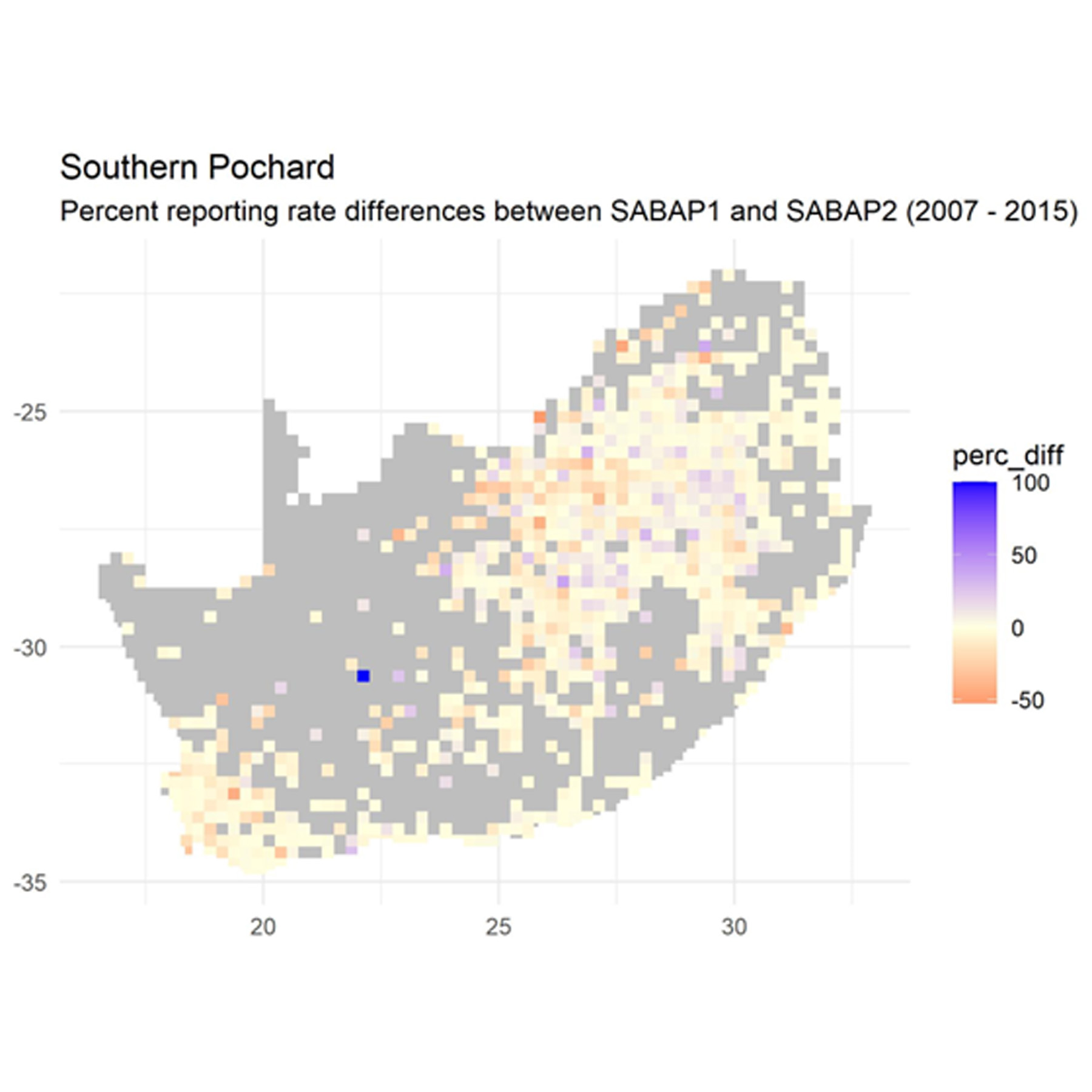
Figure 1a: SABAP distribution map showing percent reporting rate change between SABAP1 (1987-1991) and SABAP2 (2007-2015), illustrating the extensive former range for Southern Pochard.
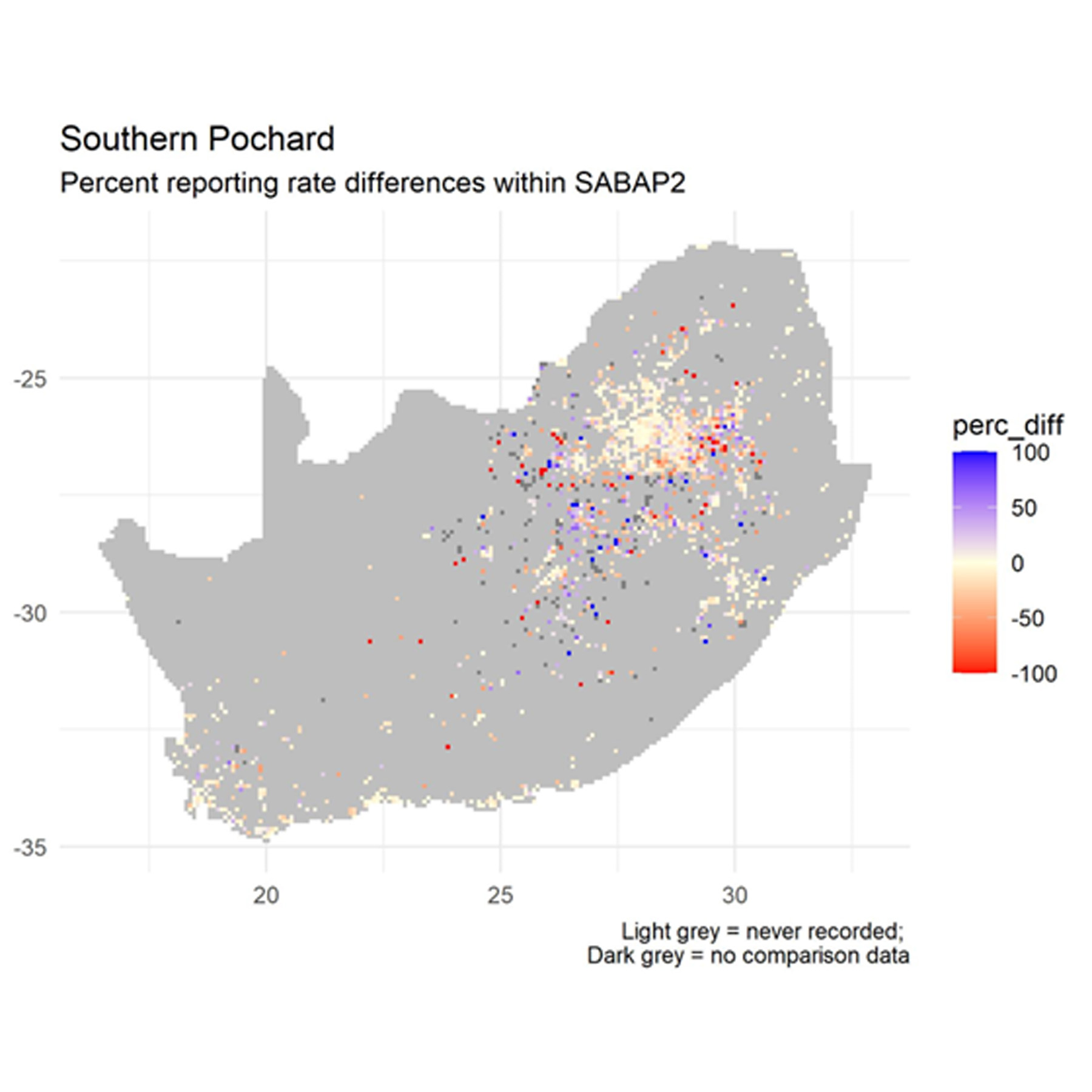
Figure 1b: Change in the percentage reporting rate for Southern Pochard between early (2007-2015) and late (2016-2023) SABAP2.
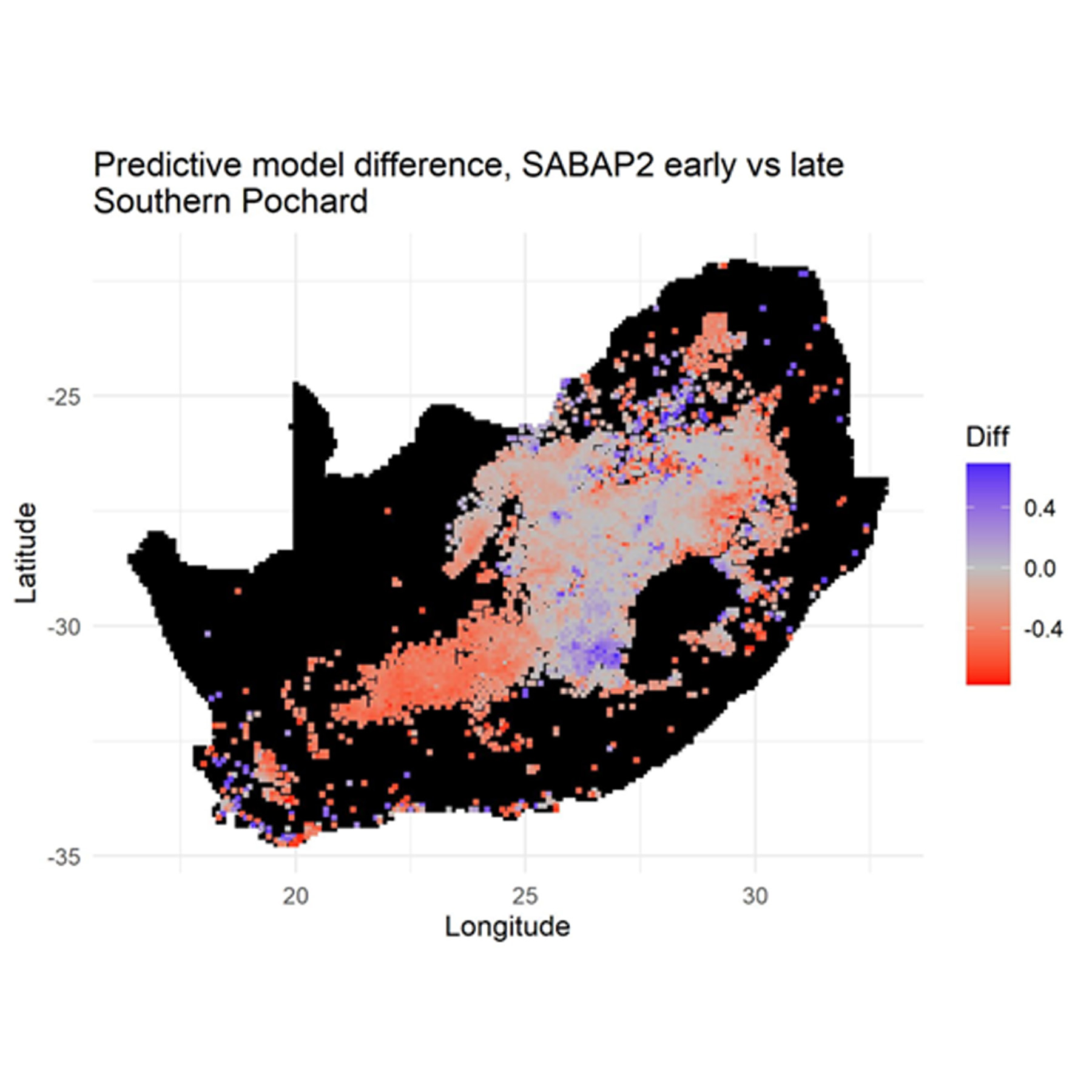
Figure 1c: Predictive modelled range change for Southern Pochard over three generations with extensive predicted range contraction within SABAP2 although likely overestimated in the Karoo region.
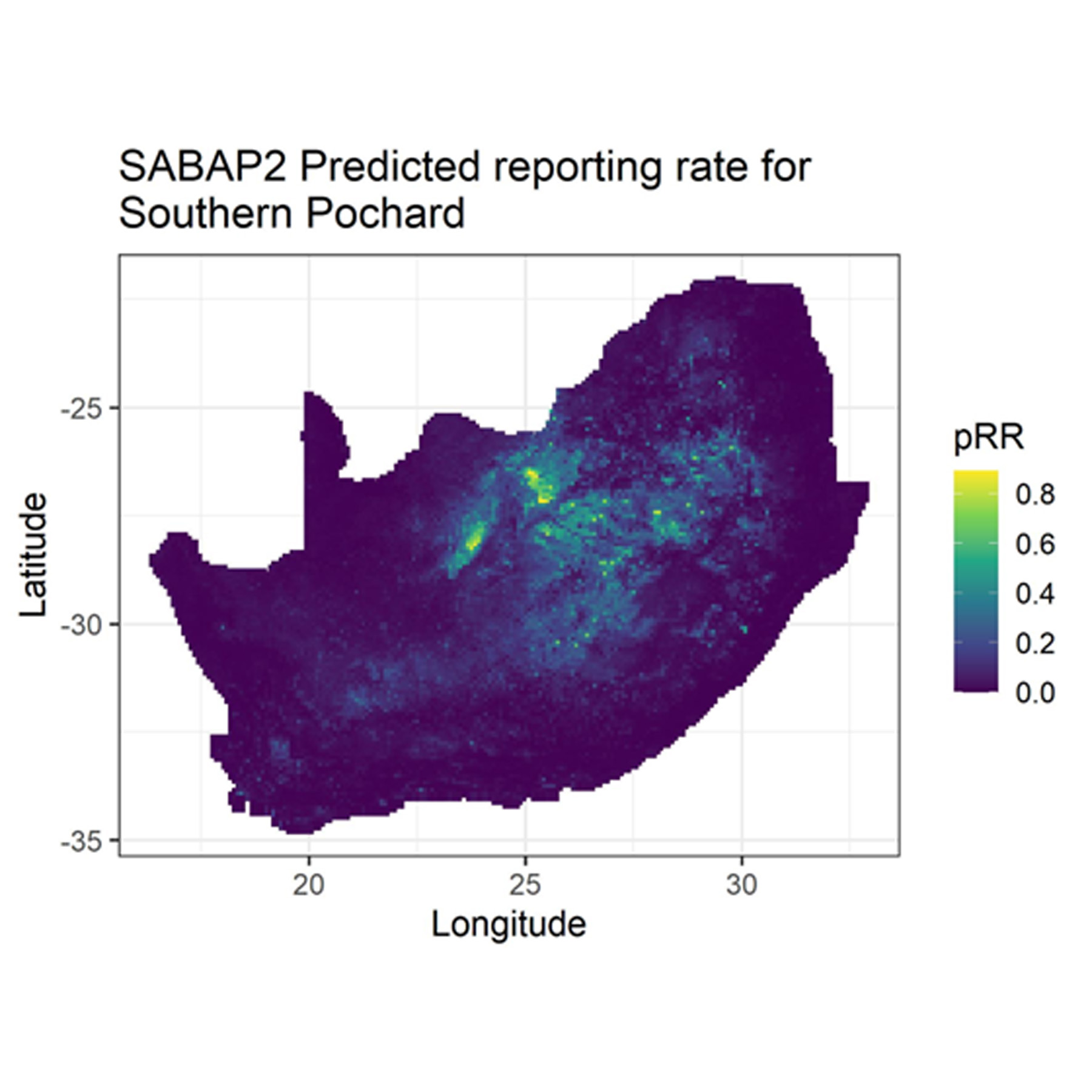
Figure 1d: The SABAP2 report rate prediction model indicates the species is now restricted to the North West and highlands (from Lee 2024).
Based on SABAP2 reporting rate changes, populations in the Western Cape and Gauteng, which support the largest numbers of Southern Pochard, appear to be largely stable. Likewise, comparison of SABAP1 and SABAP2 indicates mostly stable reporting rates yet widespread range contraction (Figure 1). It is unclear which area in this region is experiencing the most decline. Confidence in these results is medium. Continued monitoring is recommended for this species to better understand the magnitude and distribution of declines.
Table 1: Prediction model of the number of pentads Southern Pochard could occur in for the period up to 2015, and then until the end of 2023.
|
Information |
|
|
Pentads 2015 |
4489 |
|
Pentads 2023 |
2978 |
|
Annual rate of change |
0.95 |
|
Percent change (10 years or 3 generations) |
-37% |
|
Category (A2) |
VU |
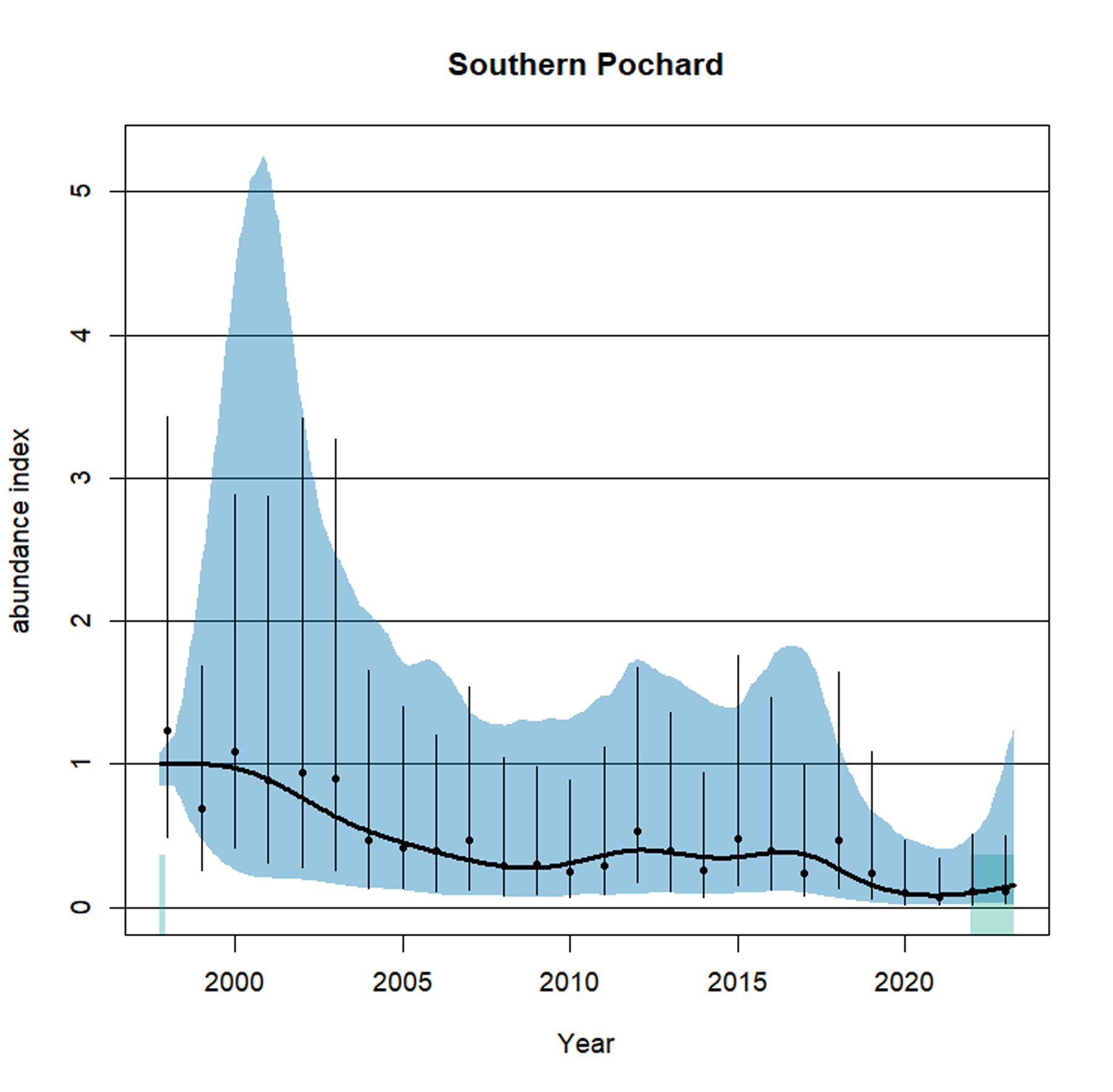
Figure 2: Showing change in Southern Pochard abundance over time from CWAC using the poptrend package (Knape 2016). Overall decline over three generations is estimated 82% (95% CI: 96%, -0.1%). Green indicates periods of significant increase (from Lee 2024).
Biology & Ecology
Taxonomy
Originally described as Nyroca brunnea Eyton (Monogr. Anat., 1838), then classified as Anas erythrophthalma. Most recently, it has been classified into the Netta genus. Two subspecies are recognised: Netta erythrophthalma erythrophthalma (Wied-Neuwied 1833) and N. erythrophthalma brunnea (Eyton 1838). The former occurs in the Northern half of South America, while the latter is distributed from Sudan and Ethiopia to South Africa.
Identification
48–51 cm. In adult males, the plumage exhibits a bluish to purplish colour, with a blackish forehead (Carboneras and Kirwan 2020). The face, sides of the head, upper neck, and throat are rich chestnut brown (Carboneras and Kirwan 2020). The wings are mostly brown, with white greater primary coverts and bases of primaries and secondaries forming a large white wing bar (Carboneras and Kirwan 2020). The bill is blue-grey with a black nail, eyes are bright red, and legs and feet are grey with black webs (Carboneras and Kirwan 2020). Juvenile and immature birds resemble adults but are duller and paler, with less distinct facial markings (Carboneras and Kirwan 2020).
Confusing species: non-breeding Maccoa Duck Oxyura maccoa has a pale cheek stripe compared to the white vertical crescent behind the eye and pale patch at the bill base of the female Southern Pochard.
Distribution
Southern Pochard are distributed across Northern and Central South America, as well as in Africa south of a line stretching from Eritrea to Angola (Colahan 2005, Lee 2024, Figure 3). In South Africa, their presence is widespread but unevenly distributed, with the highest concentrations observed in central part of the region (Figure 4).
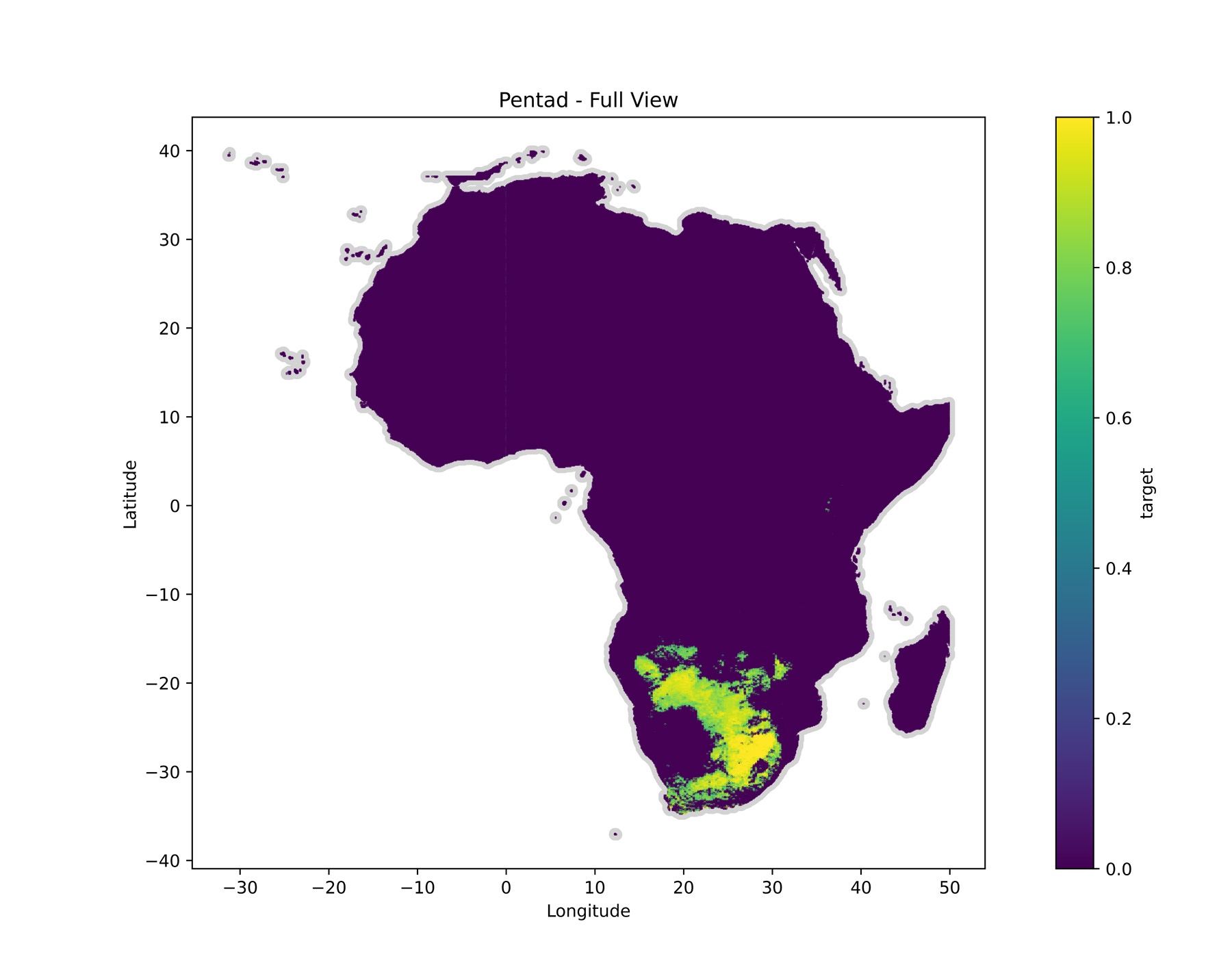
Figure 3: Probability of occurrence map for Southern Pochard from ABAP, eBird and iNaturalist data. Yellow indicates regions of greater probability of occurrence (p>0.05). From Lee (2024).
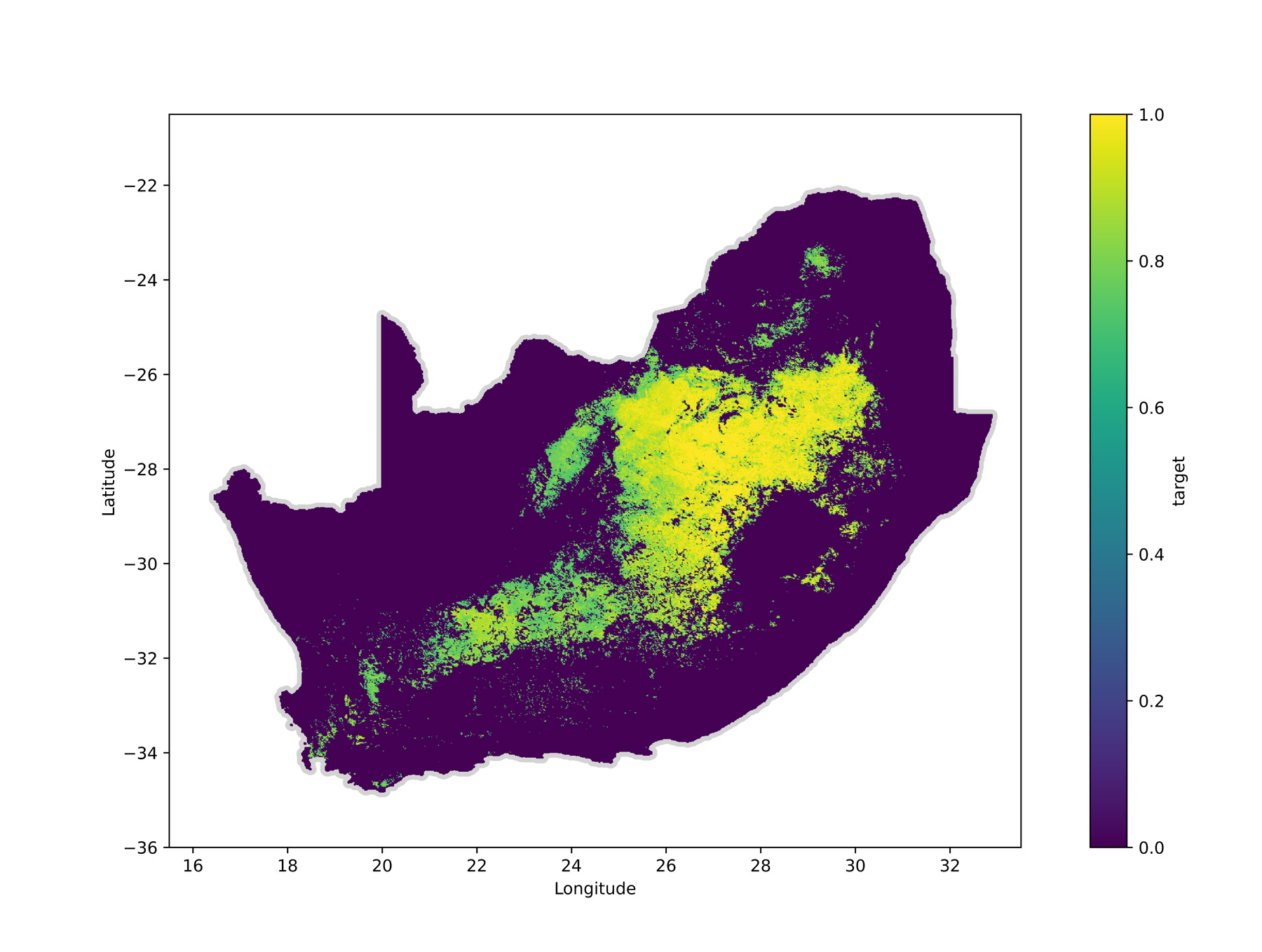
Figure 4: Probability of occurrence map for the region for Southern Pochard from SABAP2 (2016-2023), eBird and iNaturalist data. Yellow indicates regions of greater probability of occurrence (p>0.05). From Lee (2024).
Ecology
Habitat:
Prefers large bodies of deep, clear water that is either permanent or temporary (Dowsett et al. 2008). Bodies of water can include sewage ponds, shallow marshes, lakes and pools preferably with submerged vegetation (Kear 2005).
Migration:
Mainly sedentary but can move locally as well as long distance depending on environmental conditions (Carboneras and Kirwan 2020). In South Africa, during the drier seasons, populations may migrate northwards (Scott and Rose 1996). Trends from SABAP2 are not clear, with one local study finding little evidence for seasonal movement (Wilderness Lakes, Russell 2023). Our understanding of Southern Pochard movements is confused by the conflation of two different kinds of movement: (1) possibly nomadic movements to find suitably deep water bodies during dry periods; and (2) ‘there and back’ migratory movements, like those documented using satellite telemetry for Red-billed Teal Anas erythrorhyncha and Egyptian Geese Alopochen aegyptiaca, to return annually to secure locations for flightless moult (Cumming et al. 2012, Ndlovu et al. 2017, Cumming et al. 2022). Evidence for moult migration comes from several long-term banding studies including those at Voëlvlei and Barberspan (SAFRING unpubl data).
Breeding:
Monogamous and solitary nesting. Breeding occurs mainly between July and September (Tarboton 2001), although an analysis of nest records suggests they show multimodel, or possibly aseasonal, nesting (Cumming et al. 2016). The nest is made from stems of grass and aquatic plants and is lined with down which is added throughout egg laying and incubation period (Tarboton 2001). The nest is a broad deep bowl approximately 300–400 mm across, diameter of 160–180 mm and a depth of 80 mm (Colahan 2005). Stems are used to cover the top, and the nest is usually built by emergent vegetation over water or in a scrape in thick grass on an island or embankment, within 0–20 m from the water (Colahan 2005).
The female typically lays 6–15 oval-shaped eggs at one day intervals, which are brownish-yellow to very pale brown in colour, with a smooth, slightly glossy texture (Colahan 2005). Incubation starts at clutch completion and lasts for 20–28 days, carried out solely by the female (Tarboton 2001). Most parental care is provided by the male, although the female may also attend to the young occasionally (Colahan 2005).
The fledging period for the chicks lasts for about 68 days (Tarboton 2001). After the chicks have fledged, the adults may continue to provide some care and protection until the young are fully independent (Colahan 2005).
Diet:
Mainly seeds, also feed on the roots and vegetative portions of aquatic plants like water lilies, bladderwort, duckweeds, bulrushes, and rice (Johnsgard 1978, Brown et al. 1982, del Hoyo et al. 1992, Kear 2005) They supplement their diet with grasses, sedges, and various aquatic invertebrates such as molluscs, insects, and crustaceans (Johnsgard 1978, Brown et al. 1982, Kear 2005).
Threats & Conservation
Threats
This species is thought to be primarily threatened by habitat loss, wetland transformation and through entanglement by fishing nets (Kear 2005, del Hoyo et al 1992). Furthermore, it being susceptible to avian botulism and avian influenza makes it vulnerable to future outbreaks of disease (Russell et al. 2019). Elevated salinity, which is suspected to increase with urban development and climate change, greatly reduces macrophytes and abundance of Southern Pochard (Russell and Randall 2017). Southern Pochard are also hunted, with hunting season potentially overlapping with the breeding season (Little et al. 1995). Southern Pochards are most commonly reported in unprotected areas (Lee 2024). They are able to exploit anthropogenically developed areas, however, this exposes them to threats associated with these water bodies. Aggregating to moult synchronously in Barberspan, North West Province and the Western Cape (e.g. Strandfontein, pers obs G Cumming) puts this species at risk from anthropogenic impacts as they are flightless during this period.
Conservation Measures Underway
Protected by the Conservation of African-Eurasian Migratory Waterbirds Agreement (AEWA).
Conservation Measures Proposed
- Monitoring population trends and threats in the provinces with the largest populations: Western Cape and Gauteng. This species mostly uses non-protected areas, thus measures that improve the habitat quality in these areas will benefit the species.
- Conservation of both water quantity and quality, including undisturbed deep-water habitats used for foraging and moulting, will be critical for this diving duck. Improved water management of key locations during periods of drought – e.g., maintaining water levels in irrigation dams. Floodplain conservation and restoration to support natural pulses of high productivity deep water habitat (Cumming et al. 2012).
- Monitoring and identification of effective management strategies is required.
- Protection of breeding habitats, particularly reed beds, from human impacts and domestic animals (trampling by livestock, nest predation by dogs).
- Control of riparian invasive plant species and water hyacinth that reduce nest site availability and breeding success.
Research Priorities and Questions
- Accurate estimates of population size and trends.
- Identification of populations with the greatest decline and reasons for this.
- Monitoring habitat quality, particularly in terms the prevalence of botulism and levels of salinity.
- Collecting demographic data for Population Viability Analyses.
- Clarification of movement dynamics coupled with genetic research to determine the degree to which populations in different regions are interbreeding – e.g., is the Western Cape population separate from regions to the north.
- Further information on burden and impacts of pathogens and parasites – particularly avian influenza, which can linger in water bodies.
Contributors & References
Assessor/s
Anina Coetzee, Maria Paul
Reviewer/s
Graeme Cumming
References
BIRDIE. 2024. An online platform for African wetland and waterbird data. https://biodiversityadvisor.sanbi.org/contentmanagement/index?guid=42305260-12b0-4a92-912e-7d801d15fdac. [Accessed on 8 September 2024].
BirdLife International. 2016. Netta erythrophthalma. The IUCN Red List of Threatened Species 2016: e.T22680354A92857172. Available at https://dx.doi.org/10.2305/IUCN.UK.2016-3.RLTS.T22680354A92857172.en. [Accessed on 08 April 2024].
Brown LH, Urban EK, Newman K. 1982. The Birds of Africa, Volume I. Academic Press, London.
Carboneras C, Kirwan GM. 2020. Southern Pochard (Netta erythrophthalma), version 1.0. In: del Hoyo J, Elliott A, Sargatal J, Christie DA, de Juana E (eds), Birds of the World (). Ithaca, NY, USA: Cornell Lab of Ornithology. Available: https://doi.org/10.2173/bow.soupoc1.01
Colahan B. Southern Pochard. 2005. In: Hockey PAR, Dean WRJ, Ryan PG (eds), Roberts birds of southern Africa 7th Edn. Cape Town: Trustees of the John Voelcker Bird Book Fund. pp 117–118.
Cumming GS, Gaidet N, Ndlovu M. 2012. Towards a unification of movement ecology and biogeography: conceptual framework and a case study on Afrotropical ducks. Journal of Biogeography 39(8): 1401–1411.
Cumming GS, Paxton M, King J, Beuster H. 2012. Foraging guild membership explains variation in waterbird responses to the hydrological regime of an arid‐region flood‐pulse river in Namibia. Freshwater Biology 57: 1202–1213.
Cumming G, Harebottle DM, Mundava J, Otieno N, Tyler SJ. 2016. Timing and location of reproduction in African waterfowl: an overview of >100 years of nest records. Ecology and Evolution 6: 631–646.
Cumming GS, Henry DA, Reynolds C. 2022. Translocation experiment gives new insights into the navigation capacity of an African duck. Diversity and Distributions, 28(5): 1034–1049.
del Hoyo J, Elliot A, Sargatal J. 1992. Handbook of the Birds of the World, vol. 1: Ostrich to Ducks. Barcelona, Spain: Lynx Edicions.
Dowsett RJ, Aspinwall DR, Dowsett-Lemaire F. 2008. The Birds of Zambia. Liège, Belgium: Tauraco Press & Aves.
Johnsgard PA. 1978. Ducks, geese and swans of the World. London: University of Nebraska Press.
Kear J (ed). 2005. Ducks, Geese and Swans. Volume 1: General chapters, and Species accounts (Anhima to Salvadorina). Oxford, UK: Oxford University Press.
Lee ATK. 2024. Regional Red Data Book of the Birds of South Africa, Lesotho and Eswatini: SABAP2 Synthesis and Supporting Information and Graphics for Southern Pochard. Unpublished report. Johannesburg: BirdLife South Africa.
Little RM, Vester KC, Crowe TM. 1995. Temporal and spatial patterns of breeding activity of 12 duck species (Anatidae) in the Cape Provinces, South Africa, and their implications for hunting seasons. South African Journal of Wildlife Research 25: 17–22.
Middlemiss E. 1958. The Southern Pochard Netta erythrophthalma brunnea. Ostrich Supplementary 2: 1–34.
Ndlovu M, Cumming GS, Hockey PA. 2017. Body mass and pectoral muscle size changes in African waterfowl during moult. African Journal of Wildlife Research 47(1): 24–31.
Russelll IA, Randall RM. 2017. Effects of prolonged elevated water salinity on submerged macrophyte and waterbird communities in Swartvlei Lake, South Africa. Water SA 43: 666–672.
Russelll IA, Randall RM, Zimmerman D, Govender D. 2019. Outbreak of avian botulism and its effect on waterbirds in the Wilderness Lakes, South Africa. Koedoe 61: a1553.
Russelll IA. 2023. Waterbird community changes in the Wilderness Lakes, South Africa (Part 1 of 3): Herbivores and omnivores. Koedoe 65: a1770.
Scott DA, Rose PM. 1996. Atlas of Anatidae populations in Africa and western Eurasia. Wetlands International. Netherlands: Wageningen.
Tarboton W. 2001. A Guide to the Nests & Eggs of Southern African Birds. Cape Town: Struik Publishers (Pty) Ltd.
Citation
Coetzee A, Paul M 2025. Southern Pochard. In: Lee ATK, Rose S, Banda S, Bezeng SB, Maphalala MI, Maphisa DH, Smit-Robinson H (eds), The 2025 Red Data Book of Birds of South Africa, Lesotho and Eswatini. Johannesburg, South Africa: BirdLife South Africa. Available at: https://www.birdlife.org.za/red-list/southern-pochard/
Our generous sponsors


