


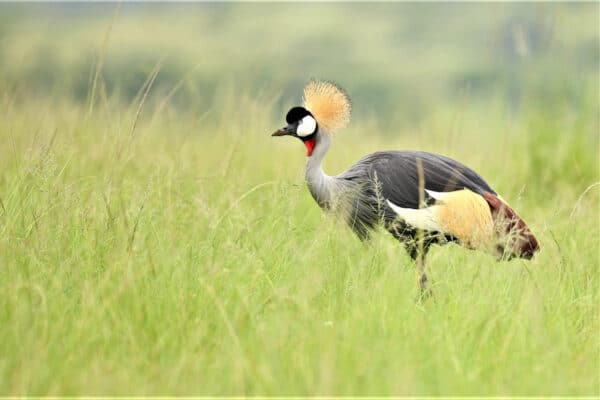
Grey Crowned Crane
Balearica regulorum

Number Of Mature
Individuals (Regional)
4 355

Regional
Population Trend
Decreasing
2025
Regional Category
Vulnerable
Search by species
CONTENTSOverview
Names
|
IOC English Name: |
Grey Crowned Crane |
|
SA & IOC Scientific Name: |
Balearica regulorum |
|
BirdLife International Taxonomy (scientific name): |
Balearica regulorum |
|
Order: |
GRUIFORMES |
|
Family: |
Gruidae |
|
Species name author: |
Bennett ET 1834 |
|
Afrikaans: |
Mahem |
|
Sesotho (South Africa): |
Lehemu |
|
Sesotho (Lesotho): |
Lehemu |
|
Siswati: |
Lohhemu |
|
Zulu: |
Unohemu |
Current Assessment Status
|
2025 Regional Category [Criteria] |
VU [C1] |
|
2024 Global Category [Criteria] |
EN [A2bcd+4bcd] (BirdLife International 2024) |
|
Population size (Regional) |
4355 (Morrison and Dodman 2019) |
|
Population size (Global) |
20 100 – 24 600 (BirdLife International 2024) |
|
Distribution size (EOO) (Regional) km2 |
431 699 (Lee 2024) |
|
Distribution size (EOO) (Global) km2 |
6 070 000 (BirdLife International 2016, 2024) |
|
Distribution size (AOO) (Regional) km2 |
138 852 (Lee 2024) |
|
Generation time |
14.1 years (BirdLife International 2024) |
|
Status change reason |
Improved Knowledge |
|
Migrant (in the region) |
No |
|
Regional endemic |
No |
Historic Listing Information
|
2000 Regional Status |
VU [A1ac+2bc; C1] |
|
2015 Regional Status |
EN [A2acd+4acd] |
|
Status change reason (if applicable) |
Genuine (recent) |
|
2015 Population size (Regional) |
c. 3500 mature individuals |
|
2015 Global Status |
EN [A2acd+4acd] |
Reason for Inclusion
Reason for Inclusion in the Assessment
The species was assessed as regionally and globally Endangered in 2015. Population estimations indicate that 19–25% of the global species population exists in South Africa and the global population is declining.
Category Justification
Category Justification
The Grey Crowned Crane meets the criteria to be listed as regionally Vulnerable under category C1 as the estimated population is below 10 000 mature individuals and there is evidence from the CAR data, fixed road surveys and aerial surveys that the population has declined by 14% over the last 23 years. There is little evidence of significant movement between South African population and the neighbouring countries of Zimbabwe, Mozambique and Botswana which makes a rescue effect unlikely.
Population Justification
The current global population size is estimated at 26 500 – 33 500 individuals (Morrison and Dodman 2019). In the last decade an increase of census work across Africa has improved the quality of the baseline population counts of Grey Crowned Cranes (Beilfuss et al. 2007, Morrison and Dodman 2019). South Africa and Zimbabwe hold the highest populations of the subspecies Balearica regulorum regulorum.
Regional population numbers are estimated at 6500 individuals, 4355 mature individuals (Morrison and Dodman 2019). Aerial surveys have been conducted in KwaZulu-Natal (KZN) over the last 30 years which is a stronghold for the species (Galloway-Griesel et al. 2022) (Figures 1 and 2). These aerial surveys counted on average 3254 Grey Crowned Cranes in KZN between 2010 and 2023; of which mature individuals account for 2180 in KZN (Figure 2). In 2022 and 2023 an additional day was added to the aerial survey covering the North-eastern Cape, this was primarily to account for the Grey Crowned Cranes in this area. On these surveys we discovered that significant numbers of Grey Crowned Cranes occur in this region, accounting for 20% (2022) and 30% (2023) of the total numbers counted during the aerial surveys (Figures 1 and 2).
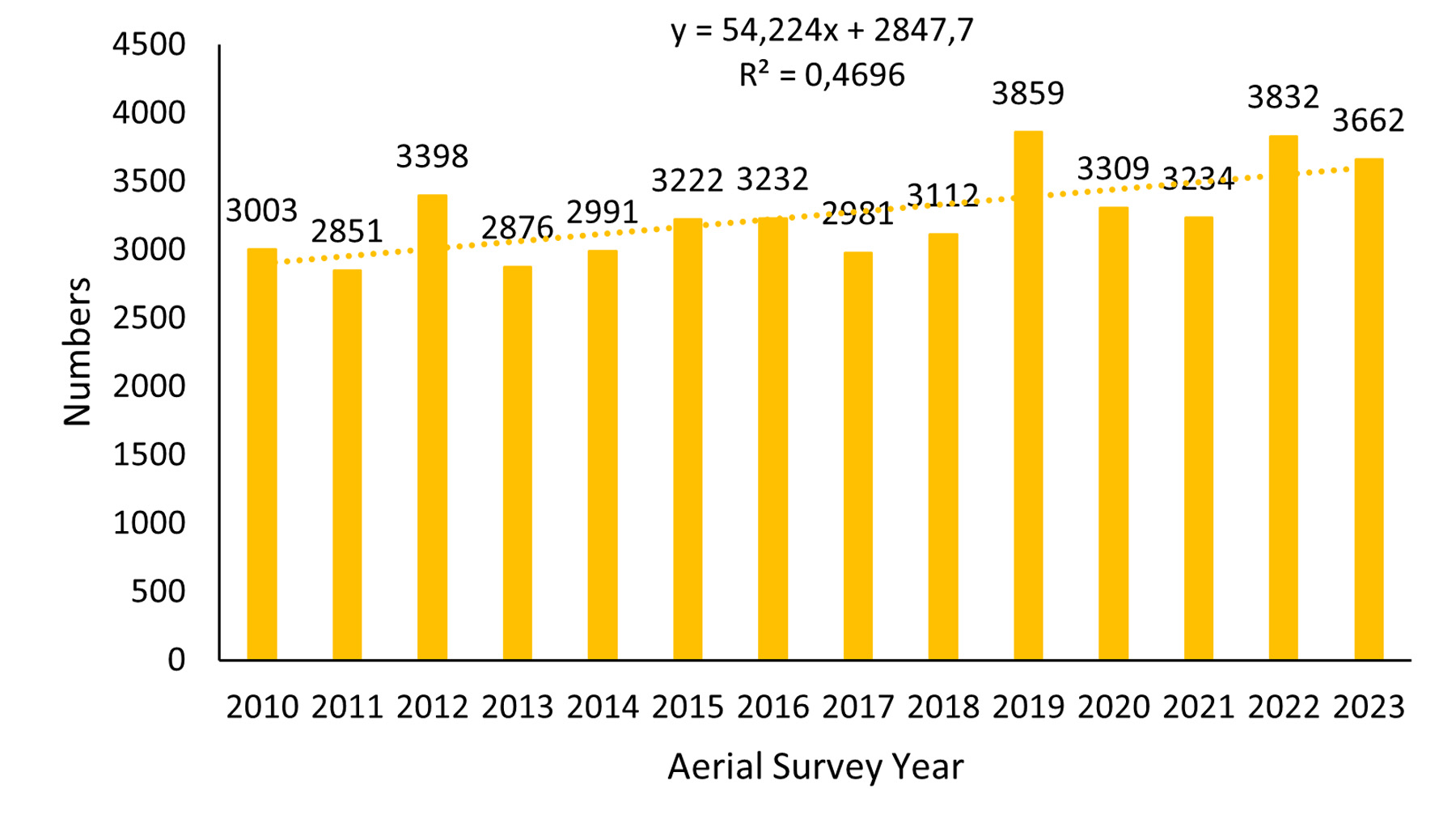
Figure 1: KwaZulu-Natal aerial survey showing count of Grey Crowned Cranes 2010-2023.
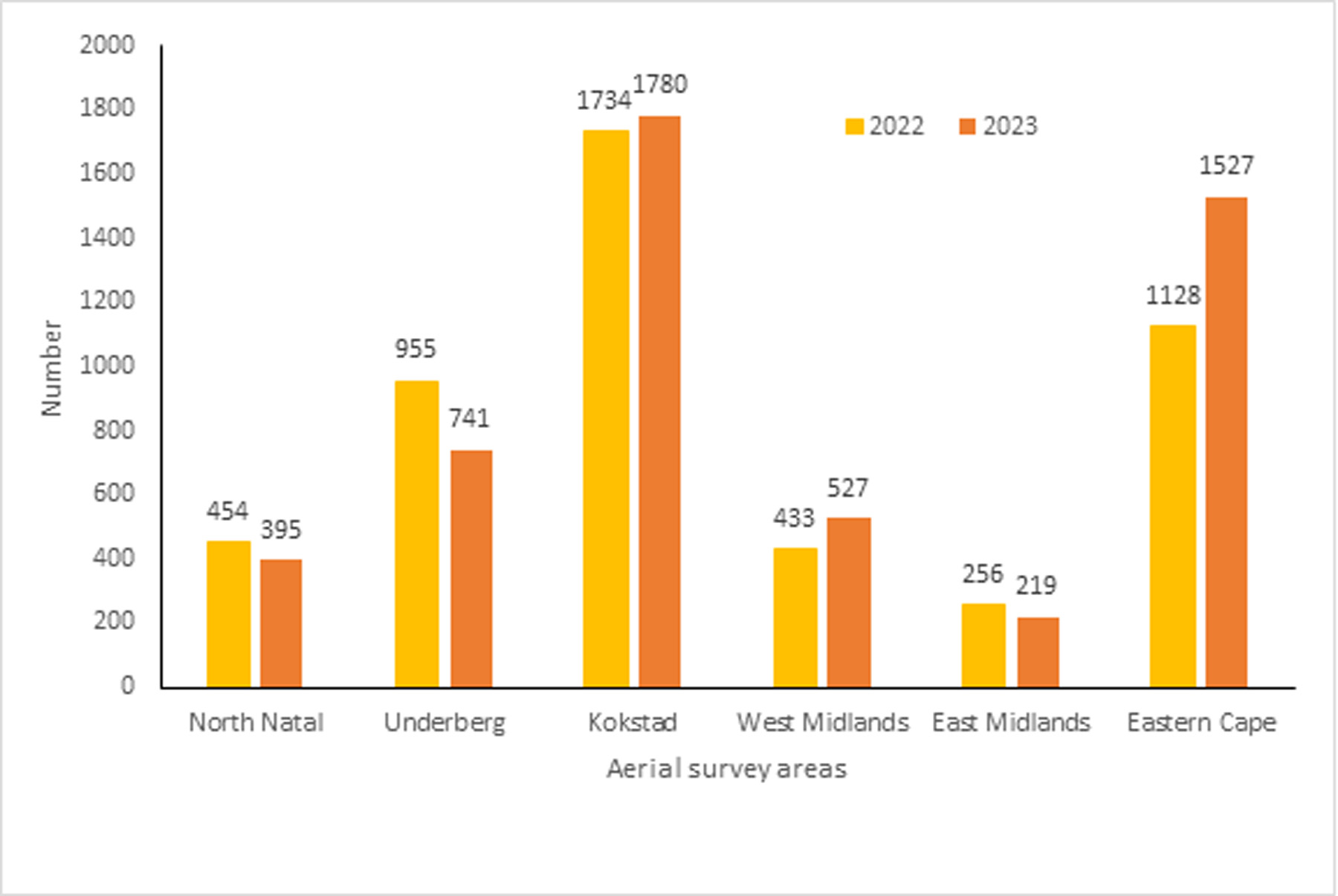
Figure 2: Aerial survey counts of Grey Crowned Crane 2022-2023 across the region.
Trend Justification
The global population is in decline (BirdLife International 2016). Although the 2015 regional status was listed as EN based on declines (Morrison and Smith 2015), this is presumed to be an error as the decline information listed was >30% rather than >50% over three generations. The population in South Africa has been recorded to be increasing in KZN aerial surveys (Figure 2), a trend analysis indicates a statistically significant (p<0.05) increase between 2003 and 2011 with the trend stabilising 2011-2018 (Galloway-Griesel et al. 2022). The aerial survey is conducted in the flocking season of the species cycle when birds are not breeding. The Eastern Cape population is thought to be stable and sedentary with crane numbers being between 1000 – 1500 in 1989 (Vernon and Boshoff 1989) and are now 1128 to 1527 on the 2022/2023 aerial survey (Figure 2) (Gibbons et al. 2023). The Eastern Cape population historically has been part of the crane trade route and there are ongoing concerns that crane trade industry in South Africa is on the increase (K Morrison, pers comms). In addition, this Eastern Cape population was recently impacted by avian influenza H1N5 virus which resulted in the death of 40 cranes in 2023, an estimated 2.6–3.5 % of the Eastern Cape population.
From the data available, the Grey Crowned Crane population is declining in provinces outside of KZN. This is supported by analyses of Coordinated Avifaunal Roadcounts (CAR) and by the Endangered Wildlife Trust (EWT) fixed route surveys (following the same methodology as CAR) conducted in Chrissiesmeer, Wakkerstroom and Memel in the Free State, as well as three informal aerial surveys in Wakkerstroom, Mpumalanga. The fixed route surveys and aerial surveys support the trends seen in the CAR data (Figure 3).
Fixed route surveys have been conducted quarterly, at the same time each year, in three areas outside of KZN, between 2018 to 2024. Two sites in Mpumalanga (Wakkerstroom and Chrissiesmeer) and one site in the Memel area of the Free State. A decline in counts has been evident in two sites, although none of the R2 values are strong trend lines, and few cranes were counted in Chrissiesmeer (Figures 4 and 5). Within Wakkerstroom the road surveys indicate an increasing trend, contrary to the CAR counts in Wakkerstroom, where counts have declined since 2015 (Figures 3 and 6). In addition, during aerial surveys conducted in Wakkerstroom, counters observed 60 Grey Crowned Cranes in 2017, 20 in 2018 and only 10 in 2019 (B Gibbons pers comms, EWT/International Crane Foundation). Combined, these data indicate that Wakkerstroom and KZN (KZN) may be seeing increasing or stable trends, but in the rest of the range, trends are declining, and this is leading to an overall slow decline.
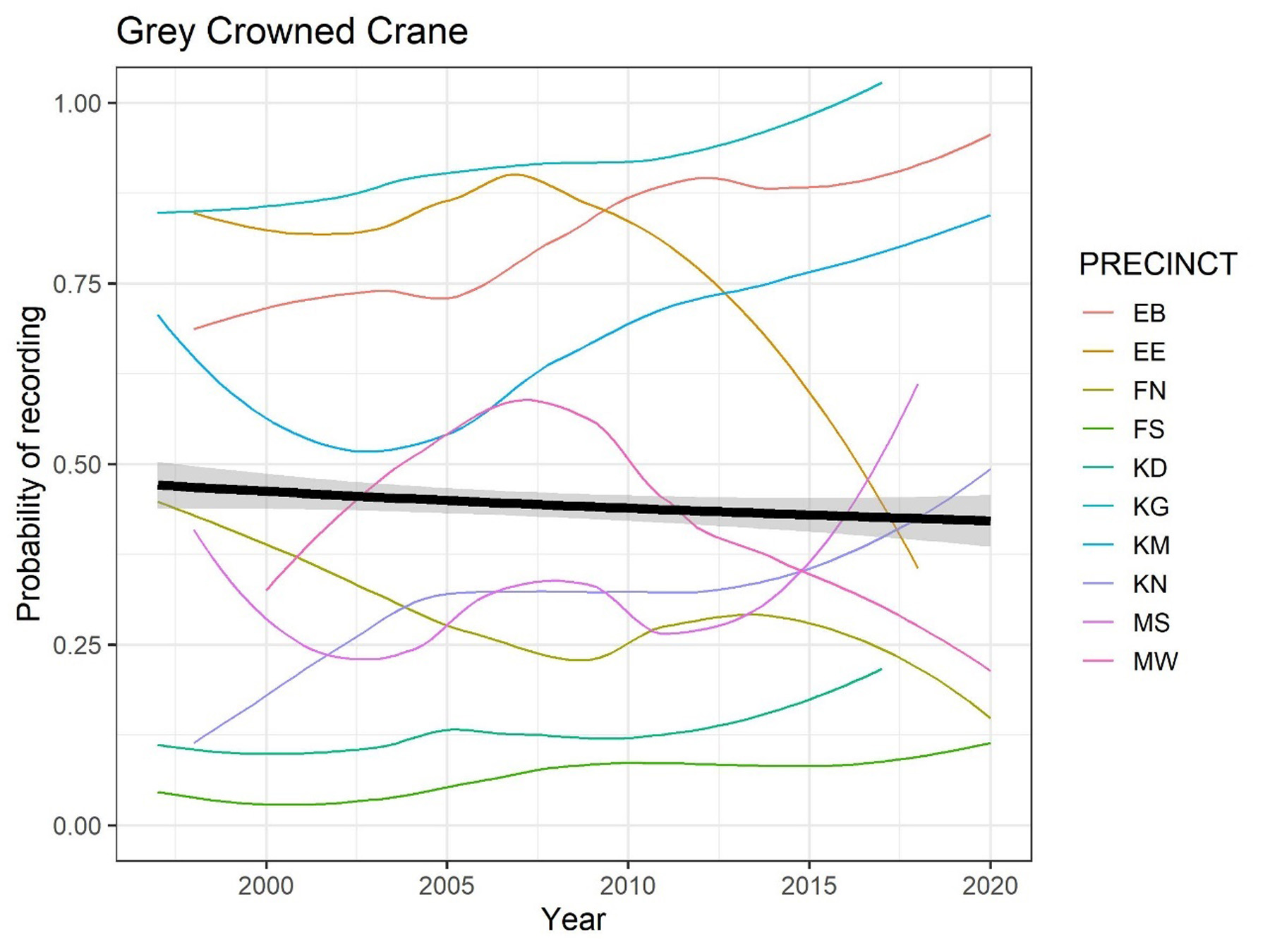
Figure 3: CAR surveys of Grey Crowned Cranes across South Africa (Precinct: EB-Northeastern Eastern Cape, EE-Northeastern Eastern Cape, FN-Northeastern Free State, FS-Southern Free State, KD-Midwestern KZN, KG-Southern KwaZulu-Natal, KM-Southern KZN, KN- MS-Mpumalanga, MW-Wakkerstroom) (from Lee 2024).
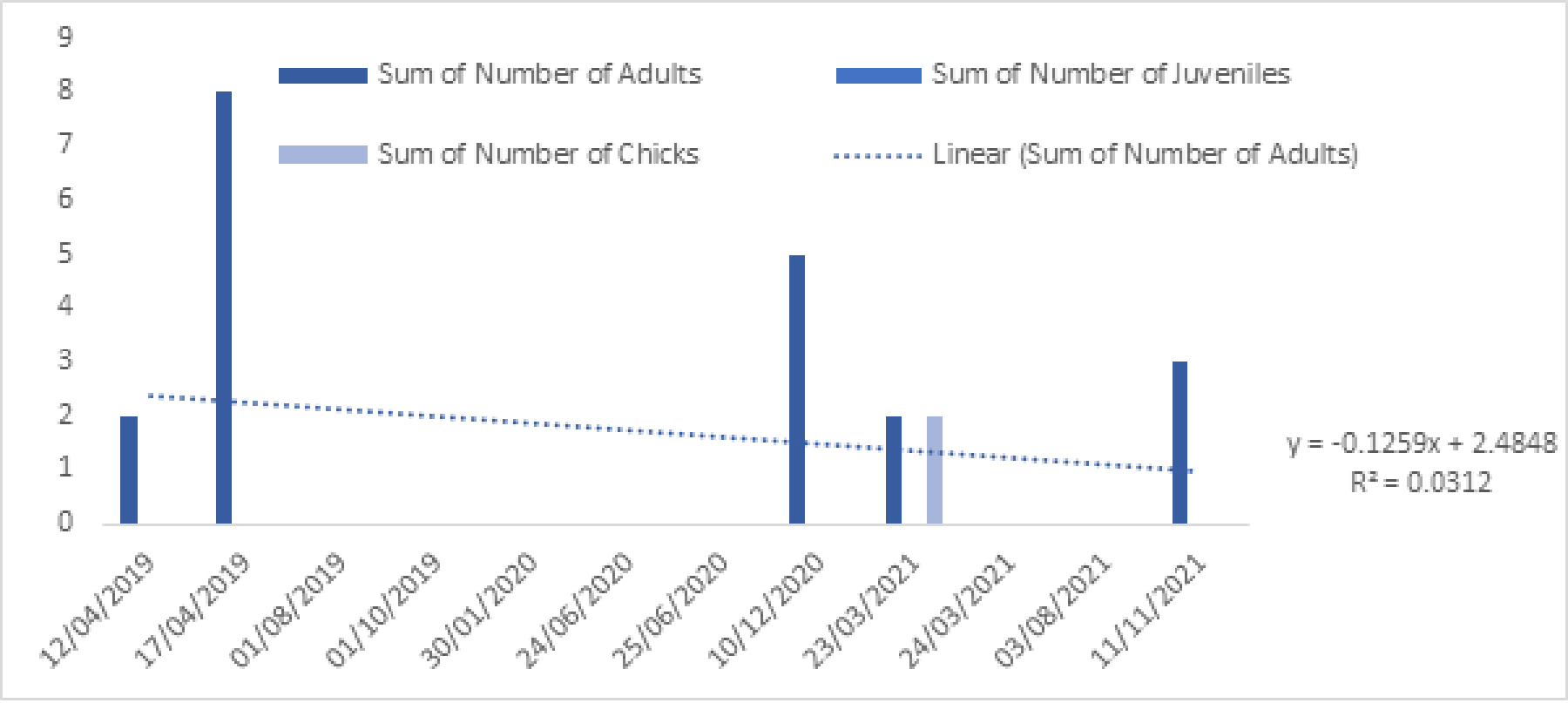
Figure 4: Coordinated Avifaunal Road Count data for Grey Crowned Cranes in Chrissimeer between 2019 and 2021.
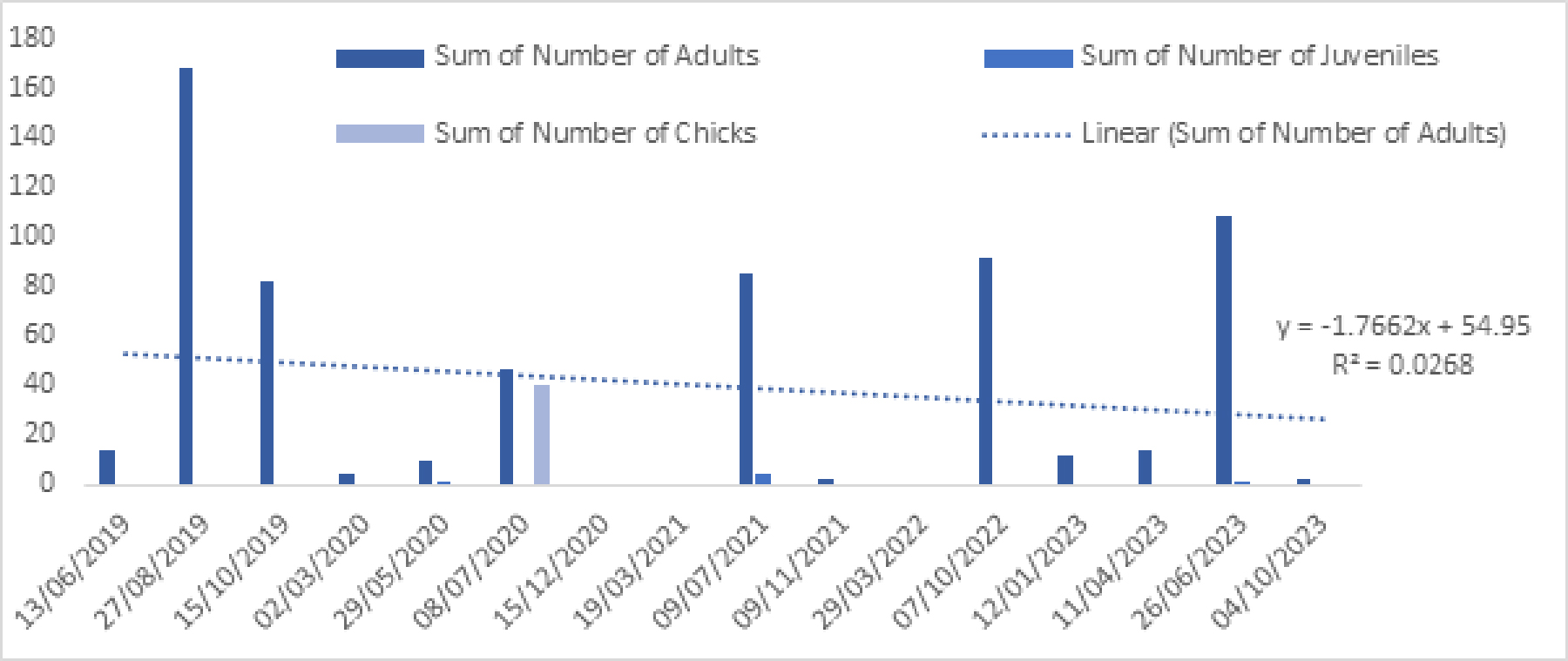
Figure 5: Coordinated Avifaunal Road Count data for Grey Crowned Cranes in Free State (Memel area) between 2019 and 2024.
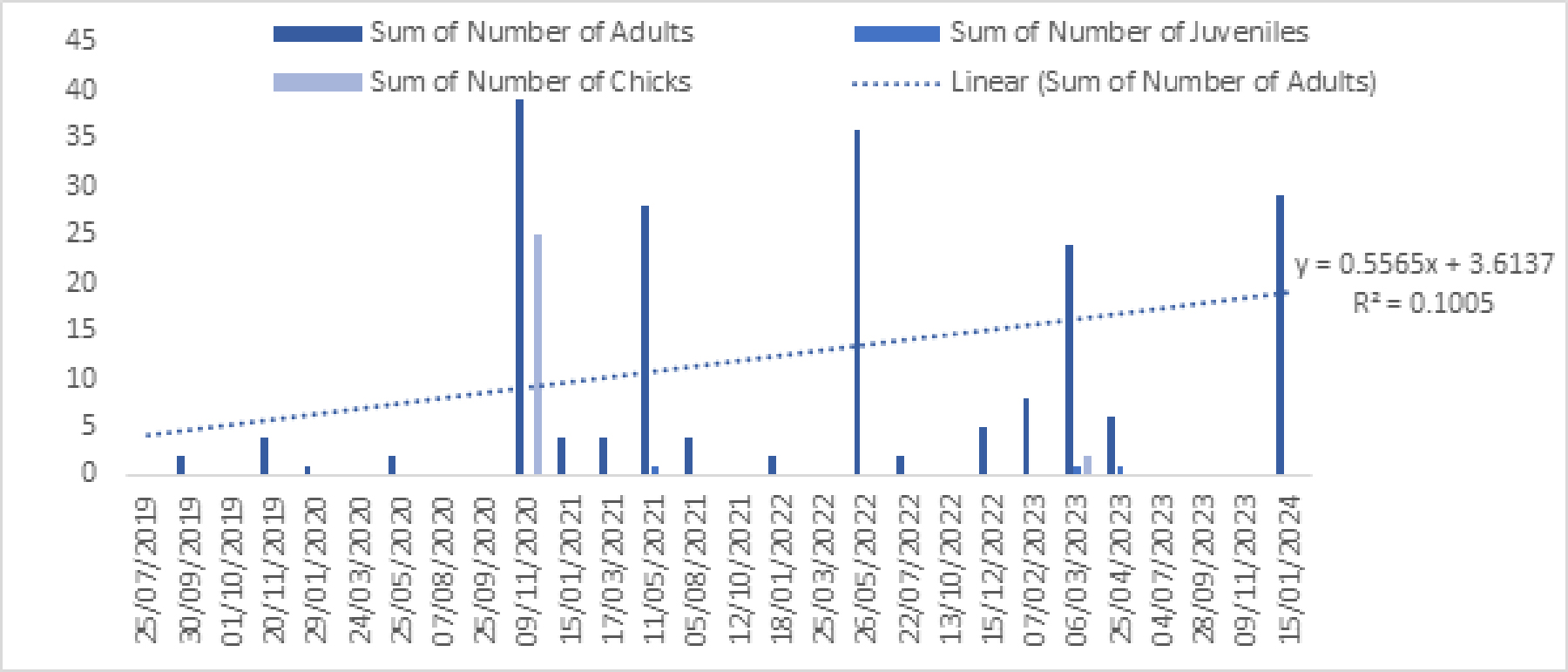
Figure 6: Coordinated Avifaunal Road Count data for Grey Crowned Cranes in Wakkerstroom Mpumalanga between 2019 and 2023.
The generation length of Grey Crowned Cranes is estimated to be 14 years (R Martin, unpubl data). The trend line fitted to the CAR data indicates that the probability of recording Grey Crowned Cranes declined by 14% over the 23 years, i.e. 1997 (probability of recording = 0.47) till 2020 (0.41). This is shorter than three generations (42 years), if the data is extrapolated out to three generations (1997-2039), (an additional 19 years estimated), we see a 25% decline in predicted probability of recording (2039: 0.357). Grey Crowned Crane has a small regional population (10%) from CAR data, backed up by fixed route surveys and the Wakkerstroom aerial surveys, means that the species meets the criteria to be listed as Vulnerable on Category C1.
Biology & Ecology
Taxonomy
The crowned cranes are the most ancient of all cranes, pre-dating other crane species by tens of millions of years (Meine and Archibald 1996). It appears that the Balearica lineage diverged from the Gruinea lineage between 31 and 37 million years ago (Krajewski et al. 2010). Phylogenetic analyses (Krajewski et al. 2010) and biochemical systematics confirms the reciprocal monophyly (a feature of a genealogy in which multiple groups of descendant lineages each consist of all the descendants of their respective most recent common ancestors) of the clades Balearicinae (crowned cranes) and Gruinea (anatomically derived cranes). Two subspecies of Grey Crowned Crane are recognised, namely the South African nominate Balearica regulorum regulorum and the East African B. r. gibbericeps (Meine and Archibald 1996); the ranges of these two taxa are separated by the Zambezi River (Beilfuss et al. 2007). Grey Crowned Crane are genetically like (forms a superspecies) Black Crowned Crane B. pavonina (Urban 1986).
Identification
106 cm, 3.5 kg. A large, spectacular and unmistakable species. Sexes alike, but males larger. Body mainly grey. Wing coverts white, with golden inner coverts. Primaries black; secondaries chestnut. Head adorned with ornamental crown of stiff golden feathers. Cheek patches white, contrasting with bare red gular sack and black forehead and throat. Legs, toes and bill dark grey. Juveniles are generally greyish, with the upper body feathers edged rufous, and the lower body feathers sandy buff. Nape is brown, face is feathered and buffy, and crown is spiky and golden buff (Allan 2005).
Distribution
Balearica regulorum occurs in eastern and Southern Africa, with B. r. gibbericeps occurring from the Democratic Republic of the Congo, Rwanda, Uganda and Kenya south through Tanzania and Zambia to northern Mozambique, with small numbers in Angola, Burundi, Malawi and very small numbers in South Sudan. Nominate race B. r. regulorum is found from Southern Mozambique south through Zimbabwe to South Africa and west in small numbers to Namibia and very small numbers in Botswana.
Within South Africa, the Grey Crowned Cranes are primarily found in the moist Drakensberg foothill grasslands of Southern KZN, Midlands KZN and northern Eastern Cape provinces (Morrison 2019) (Figure 7). Other provincial distributions include Mpumalanga Highveld grasslands of South Africa particularly Lakelands of Chrissiesmeer and the Steenkampsberg West Grasslands (Morrison 2019) (Figure 7). In addition, they occur in the Enkangala grasslands straddling three provinces of North KZN, Southern Mpumalanga and Northeastern Free State (Morrison 2019) (Figure 7). Bird atlas records do not indicate occurrence in Lesotho with birds recorded there being considered non-breeding vagrants (Osborne and Tigar 1990). Grey Crowned Cranes are non-migratory but undertake variable local and seasonal movements (Morrison and Bothma 1998). It is thought that the Eastern Cape population is sedentary, accounting for 20-30% of the regional population as recorded on aerial surveys in KZN and Eastern Cape (Gibbons et al. 2023).
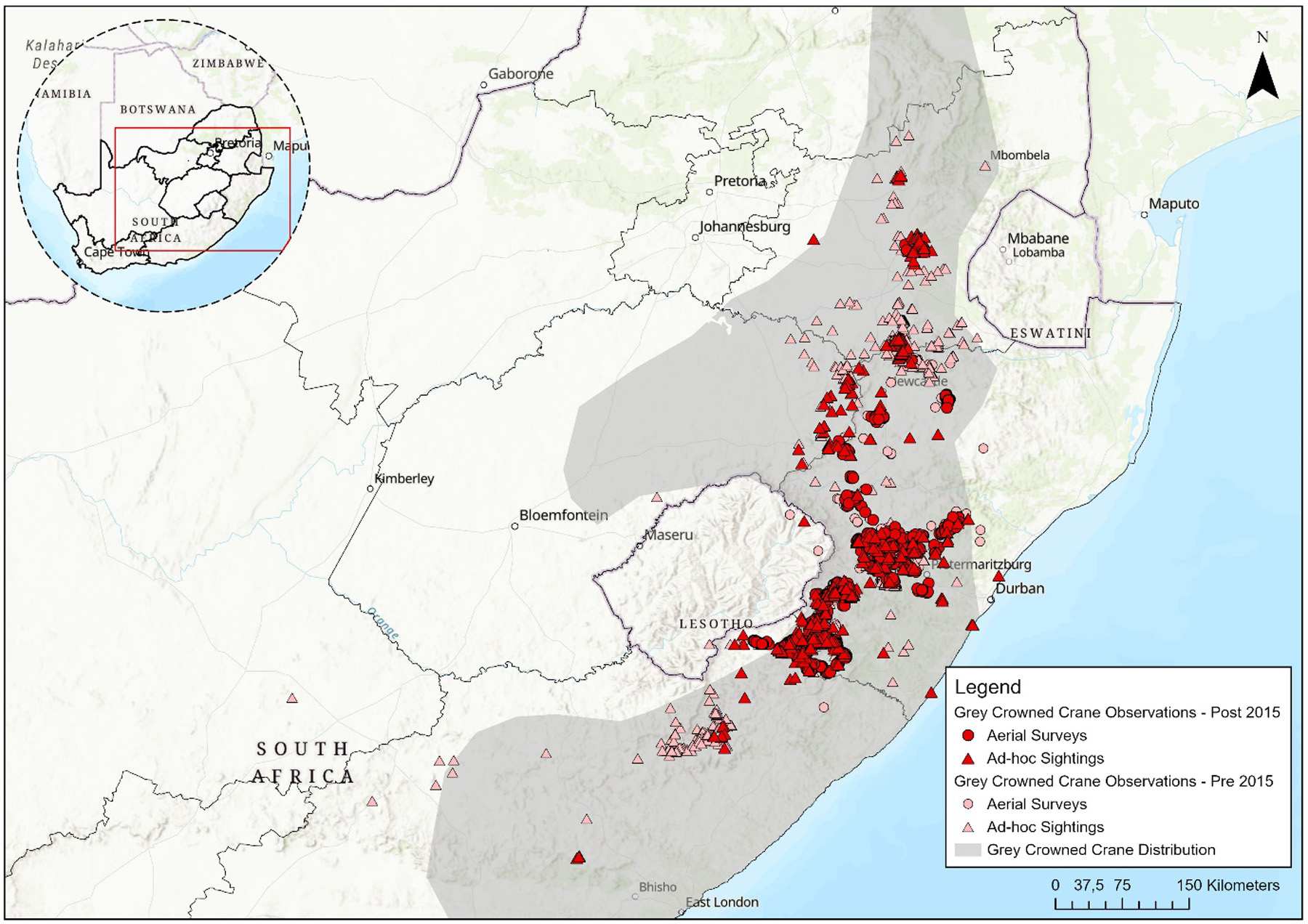
Figure 7: Grey Crowned Cranes Crane regional distribution ad-hoc sightings data (denoted by the triangles) and repeated aerial survey data (denoted by the circles) for pre and post 2015, (distribution polygon from Red List website, BirdLife International 2024).
Ecology
Grey Crowned Cranes require mixed wetland-grassland habitats often occurring in wetlands, riverbanks, dams or in the adjacent savannahs and grasslands to these areas (Meine and Archibald 1996). They can be found in agricultural lands surrounding the above-mentioned ecosystems (Morrison and Dodman 2019). They typically nest within or on the edges of permanent or temporary wetlands but can be found in well vegetated farm dams (Morrison and Dodman 2019). The nests are frequently found in tall reedy wetland vegetation of 60–90 cm high Typha reed beds presumably concealing them from predator view and preventing disturbance (other nest plant species include: Schoenoplectus corymbosus, Cyperus exaltatus, Leersia hexandra, Persicaria sp., Lythrum rotundifolium, and Salvinia molestae.g.) (Wamiti et al. 2023). Other influential factors identified in nest-site selection in Kenya include water depth (50–100 cm), and an offshore distance of >100 m (Wamiti et al. 2023). The circular nest platform is formed from trampled vegetation up to 20 m diameter making their viewing possible from the air (Morrison and Dodman 2019). Non-breeders roost communally at night in trees or on overhead utility structures while breeding pairs roost on the ground, in wetlands at the nest (Morrison and Bothma 1998). Cranes leave their roosts between dawn and an hour after dawn and return around nightfall (Pomeroy 1980, Olupot 2014).
Foraging takes place in short to medium height open grassland, lightly wooded savannah and agricultural fields, feeding on grass seeds, insects, frogs, lizards, crabs and other invertebrate (Pomeroy 1980, Frame 1982, Gichuki 2000, Muheebwa-Muhoozi 2001). They forage in agricultural landscapes including pastures, irrigated and fallow lands, and newly harvested and planted cereal crops (Morrison and Dodman 2019). In the Eastern Cape 56% of records of Grey Crowned Cranes were in cultivated lands, 7% of which were maize fields (van Niekerk 2011). Cranes that share the landscape with human food production can lead to conflict based on perceived or actual damage caused to crops, this is more prevalent in East Africa (Pomeroy 1980).
Threats & Conservation
Threats
The 2011 South African National Biodiversity Assessment predicted that by 2050 no natural habitat would be left outside of protected areas in KZN based on the current transformation rates, a core area for the Grey Crowned population. The widespread degradation and loss of breeding habitats, historically caused by the draining or damming of wetlands and more recently caused by degradation from ignorance of people about the benefits of wetlands and the weak implementation of frameworks and policies that currently exist to protect them (Johnson and Barnes 1986, McCann 2003, Adeeyo et al. 2022). This continues to put pressure on the breeding life cycle of the species in the region.
KZN is a rich agricultural landscape consisting of dairy and maize production, maize being a staple crop for the majority of South Africans (Akanbi et al. 2021). The agricultural pressure in KZN is predicted to increase due to several factors. Firstly, extreme weather changes leading to intense periods of rainfall and long periods of drought (Chemura et al. 2022). This is predicted to increase demand for damming to enable the watering of crops (Akbani et al. 2021). Secondly, Chemura et al. (2022) modelled predictions to identify key maize growing areas into the future, one of these areas is core Grey Crowned Crane range in KZN. The prediction identified that reduction of key maize production areas in other parts of South Africa are going to lead to an increased demand to produce maize in the KZN Midlands. These two factors are going to lead to increased pressure on natural resources in the core range of the species.
An additional new threat that is predicted to continue and increase is hail. Not only will the number of storms increase but the size of the hail is predicted to increase in KZN (Raupach et al. 2021, Punge et al. 2023). Hail in KZN has been increasing in size and frequency and has caused devastation leading to insurance companies refusing to cover crop damage from hail (D Stratford pers comms, Farmer). The economies of scale dictates that the increase of nonpreventable damage to crops will lead to an increase in planting to ensure financial returns for farmers. Incidents causing mass deaths of birds, due to hail, have occurred in KZN with the well-known killing of hundreds of falcons and initiating a massive rescue operation to save damaged birds. This incident impacted Amur Falcons Falco amurensis in March of 2019 at a roost site in Mooi River, an area within the core range of Grey Crowned Cranes.
Grey Crowned Cranes utilise agricultural lands extensively and intensively, particularly when flocking in winter and into spring (van Niekerk 2011). Damage on maize lands occurs within the first 2–3 weeks of planting when the plants and seeds are easy to extract (van Niekerk 2011). The crane’s presence in agricultural lands, and the real or perceived damage they cause, often brings them into conflict with farmers, increasing the risk of persecution through poisoning or shooting (Johnson and Barnes 1986, McCann 2003). In addition, open-cast coal mining is likely to continue to have significant impact upon habitat availability within Mpumalanga grasslands.
Illegal removal of wild cranes to the trade market is a significant threat for this species (Morrison and Dodman 2019). Most often, chicks are removed and through organised systems of crime are domesticated within the country of origin or within captive trade markets regionally or internationally (Morrison et al. 2007). Due to the beauty of the species the birds are often kept for ornamental purposes in gardens or as status symbols (Morrison et al. 2007, Morrison and Dodman 2019). Zoological collections have previously been a part of this trade including Europe and North America, but, more recently the Middle and Far East pose a greater threat (Morrison and Dodman 2019). Currently globally there are no self-sustaining captive populations which could then reduce the demand for trade (Morrison et al. 2007).
An emerging threat here is collisions and habitat loss/fragmentation due to the increase in renewable energy infrastructure (wind turbines, solar farms, increased road networks, and increased powerlines) in previously unimpacted areas in the Eastern Free State, Northern KZN, and Southern Mpumalanga. Powerlines pose a collision hazard to young, inexperienced birds and adults on misty days, and transformer boxes pose an electrocution risk when cranes attempt to roost (Martin and Shaw 2010). Other threats include disturbance at nesting areas, entanglement in fences, and hunting by dogs, coordinated or not (Beilfuss et al. 2007). Lead poisoning is a possible threat to Grey Crowned Cranes and research is underway to identify how severe this issue is.
Another emerging threat is avian influenza, the incidence of which is increasing in South Africa (FAO 2023). Although there is no mention of crane fatalities in this media release, we have a confirmed case of 40 Grey Crowned Cranes killed by H5N2 virus in June 2023. This threat has the possibility of reducing population numbers drastically.
Conservation Measures Underway
An African-Eurasian Migratory Waterbird Agreement (AEWA) Single Species Action Plan has been developed for Grey Crowned Cranes across the range. This brought collaboration across government representatives and departments and crane experts in a coordinated effort to focus on securing the future of the species. The plan was endorsed by the AEWA meeting of the parties in November 2015. An international working group has been established to ensure the plans are implemented. The Grey Crowned Crane is currently included in the proposed Biodiversity Management Plan for Species being developed for all three crane species in South Africa.
The EWT/International Crane Foundation Partnership have full-time field officers covering part of Mpumalanga, Free State, KZN Midlands and southern KZN. Conservation efforts in these areas include monitoring, securing key sites through the National Biodiversity Stewardship Programme, and proactive involvement in development applications at key crane sites.
The EWT’s Wildlife and Energy Programme works closely with Eskom to proactively reduce the potential of power-line collisions and electrocutions, and to reactively mitigate high-risk powerlines.
Grey Crowned Cranes opportunistically forage in agricultural lands and come into conflict with landowners during the germination phase of maize and other crops. The Endangered Wildlife Trust is currently exploring the registration of a crop deterrent that has been used effectively in USA by the International Crane Foundation to deter Sandhill Cranes Grus canadensis from eating germinating crops (DeLiberto and Werner 2016).
The EWT/International Crane Foundation Partnership is currently addressing the illegal trade. This project works at the supply side of the market where cranes are removed from the wild, on the compliance and legislative areas, and with the demand sector both in Africa and internationally.
Conservation Measures Proposed
Ongoing maintenance of all EWT projects that involve the conservation of the Grey Crowned Crane is essential, including the African Crane Conservation Programme, Wildlife and Energy Programme, and African Crane Trade Project, in partnership with the International Crane Foundation. An improved understanding of the habitat characteristics of wetlands that Grey Crowned Cranes use for nesting has been funded and will incorporate developing Grey Crowned Crane guidelines to support farmers where the species is breeding, this work includes developing monitoring techniques using drones. To understand the regional movement of the species trackers have been acquired and will be deployed to support the mitigation of threats mentioned above.
Research Priorities and Questions
- Political pressure for land reform and agricultural intensification is predicted to result in widescale transformation of agricultural landscapes in the region. Investigate what the impact of land-use changes would be on the foraging and breeding success and long-term conservation of the species.
- Rural sprawl is an ongoing matter in key crane grasslands, understanding these changes and designing methodologies to balance rural development in crane ranges is vital.
- Obtain an understanding of the factors that influence the population dynamics of the species, including the influence of disturbance and other factors that specifically effect breeding productivity and adult and juvenile mortality.
- Investigate the beneficial economic value of Grey Crowned Cranes on agricultural operations, for example through depredation of pests such as locusts and cutworms.
- Research avenues for developing sustainable management alternatives to allow coexistence of cranes and humans in an agricultural matrix.
- Investigate the cultural significance of the species, and assess the scale of utilisation, harvesting and trade and its potential impacts on crane conservation.
- Understand the impacts of climate change on habitats and cranes and how the interactions between cranes and people will also change.
Contributors & References
Assessor/s
Lara Jordan, Christie Craig, Bradley Gibbons
Reviewer/s
Carina Pienaar, Sanjo Rose
References
Adeeyo AO, Ndlovu SS, Ngwagwe LM, Mudau M, Alabi MA, Edokpayi JN. 2022. Wetland resources in South Africa: threats and metadata study. Resources 11: 54. https://doi.org/10.3390/resources11060054.
Allan DG. 2005. Grey Crowned Crane Balearica regulorum. In: Hockey PAR, Dean WRJ, Ryan PG (eds), Roberts birds of southern Africa 7th Edn. Cape Town: Trustees of the John Voelcker Bird Book Fund. pp 307–308.
Beilfuss RD, Dodman T, Urban EK. 2007. The status of South African cranes in 2005. Ostrich 78(2): 174–184.
BirdLife International. 2016. Balearica regulorum. The IUCN Red List of Threatened Species 2016: e.T22692046A93334893. https://dx.doi.org/10.2305/IUCN.UK.2016-3.RLTS.T22692046A93334893.en. [Accessed on 15 April 2025].
BirdLife International. 2024. Balearica regulorum. The IUCN Red List of Threatened Species 2024: e.T22692046A240198049. https://dx.doi.org/10.2305/IUCN.UK.2024-2.RLTS.T22692046A240198049.en. [Accessed on 10 February 2025].
Chemura A, Nangombe SS, Gleixner S, Chinyoka S, Gornott C. 2022. Changes in climate extremes and their effect on maize (Zea mays L.) suitability over Southern Africa. Frontiers in Climate 4: 890210.
DeLiberto ST, Werner SJ. 2016. Review of anthraquinone applications for pest management and crop protection. Pest Management Science 72: 1813–1825.
FAO Co-convened Scientific Task Force on Avian Influenza and Wild Birds. 2023. Scientific Task Force on Avian Influenza and Wild Birds statement on H5N1 high pathogenicity avian influenza in wild birds – Unprecedented conservation impacts and urgent needs.
Galloway-Griesel T, Roxburgh L, Smith T, McCann K, Coverdale B, Craigie J, Pretorius M, Nicholson S, Michael M, Durgapersad K, Chetty K. 2023. Evidence of the effectiveness of conservation interventions from long-term aerial monitoring of three crane species in KwaZulu-Natal, South Africa. Bird Conservation International 33: e7. https://doi.org/10.1017/S0959270921000496.
Frame GW. 1982. East African Crowned Cranes breeding ecology and behaviour in northern Tanzania. Scopus 6: 60–69.
Gichuki NN. 2000. Influence of breeding on foraging behaviour and diet of Crowned Cranes. Ostrich 71(1–2): 74–79.
Johnson DN, Barnes PR. 1986. The Natal Crane census. Lammergeyer 37: 40–49.
Krajewski C, Sipiorski JT, Anderson FE. 2010. Complete mitochondrial genome sequences and the phylogeny of cranes (Gruiformes: Gruidae). The Auk 127(2): 440–452.
Lee ATK. 2024. Regional Red Data Book of the Birds of South Africa, Lesotho and Eswatini: SABAP2 synthesis and supporting information and graphics for Grey Crowned Crane. Unpublished report. Johannesburg: BirdLife South Africa.
Martin GR, Shaw JM. 2010. Bird collisions with power lines: failing to see the way ahead? Biological Conservation 143(11): 2695–2702.
McCann K. 2003. Population size and distribution of Blue, Grey Crowned and Wattled Crane in KwaZulu-Natal, South Africa, determined by an aerial survey during July 2003. Indwa 1: 18–26.
Meine C, Archibald G (eds). 1996. The Cranes: Status Survey and Conservation Action Plan. Gland: IUCN.
Morrison KL, Beall F, Friedmann Y, Gichuki C, Gichuki N, Jordan M, Kaita M, Ndangáng’a P, Muheebwa J (eds). 2007. African crane trade: trade mitigation planning workshop. Johannesburg: Conservation Breeding Specialist Group Southern Africa and International Crane Foundation/Endangered Wildlife Trust Partnership. p 78.
Morrison KL, Bothma Du P. 1998. Wetland nesting sites of Wattled and Grey Crowned Cranes on the Steenkampsberg Plateau, South Africa. South African Journal of Wildlife Research 28(4): 110–120.
Morrison KL, Smith T. 2015. Grey Crowned Crane Balearica regulorum. In: Taylor MR, Peacock F, Wanless RM (eds), The Eskom Red Data Book of Birds of South Africa, Lesotho and Swaziland. Johannesburg, South Africa: BirdLife South Africa. pp 110–112.
Morrison KL, Dodman T. 2019. Species review: Grey Crowned Crane (Balearica regulorum). In: Mirande CM, Harris JT (eds), Crane Conservation Strategy. pp 261–271.
Muheebwa-Muhoozi J. 2001. The status of Grey Crowned Cranes breeding in Uganda, with special reference to breeding. Ostrich (Supplement No. 15): 122–125.
Niekerk MH. 2011. Quantifying crop damage by Grey Crowned Crane (Balearica regulorum regulorum) and evaluating changes in crane distribution in the north Eastern Cape, South Africa.
Osborne PE, Tigar BJ. 1990. The status and distribution of birds in Lesotho. Newbury: Nature Conservation Bureau Ltd.
Pomeroy DE. 1980. Aspects of the ecology of Crowned Cranes Balearica regulorum in Uganda. Scopus 4: 29–35.
Punge HJ, Bedka KM, Kunz M, Bang SD, Itterly KF. 2023. Characteristics of hail hazard in South Africa based on satellite detection of convective storms. Natural Hazards and Earth System Sciences 23: 1549–1576. https://doi.org/10.5194/nhess-23-1549-2023.
Raupach TH, Martius O, Allen JT, Kunz M, Lasher-Trapp S, Mohr S, Rasmussen KL, Trapp RJ, Zhang Q. 2021. The effects of climate change on hailstorms. Nature Reviews Earth & Environment 2(3): 213–226.
Urban EK. 1986. Status of cranes in Africa. In: Backhurst GC (ed), Proceedings of the 6th Pan-African Ornithological Congress, Francistown (Botswana). Nairobi: Sixth PAOC Organizing Committee. pp 315–329.
Vernon CJ, Boshoff AF. 1989. The status and conservation of cranes in the Eastern Cape province. In: Proceedings of the First Southern African Crane Conference. Natal, South Africa.
Wamiti W, Mwangi J, Ndung’u G, et al. 2023. Kenya’s second countrywide census of Grey Crowned Crane Balearica regulorum: February–March 2023. Technical Report. Nairobi: NABU, ICF/EWT/CANCO & NMK.
Citation
Jordan L, Craig CA, Gibbons B 2025. Grey Crowned Crane. In: Lee ATK, Rose S, Banda S, Bezeng SB, Maphalala MI, Maphisa DH, Smit-Robinson H (eds), The 2025 Red Data Book of Birds of South Africa, Lesotho and Eswatini. Johannesburg, South Africa: BirdLife South Africa. Available at: https://www.birdlife.org.za/red-list/grey-crowned-crane/
Our generous sponsors


