



Win a dream trip to the Philippines…
Enter BirdLife South Africa’s annual raffle and stand a chance to win an 8-day/7-night birding trip to the Philippines’ Visayan Islands from 3 to 10 April 2027, for two people sharing, with Rockjumper Worldwide Birding Adventures.
Worth R150 000, the prize includes return flights from Johannesburg. Don’t miss this once-in-a-lifetime opportunity to explore the stunning Visayan Islands and discover some of the Philippines’ extraordinary birdlife!
Scattered across a jewel-bright tropical sea, the Philippines is one of the world’s great birding frontiers. With an extraordinary level of endemism, it also carries the sobering distinction of hosting more bird species at imminent risk of extinction than any other country, making a visit here both thrilling and deeply meaningful.
Our journey through the Visayan Islands explores the biodiversity-rich islands of Cebu, Bohol and Negros, each home to species found nowhere else on earth. The islands’ forest fragments shelter some of the most sought-after and range-restricted birds in Asia, including the striking Azure-breasted Pitta, brilliant Yellow-breasted Fruit Dove, Philippine Trogon, Philippine Frogmouth, Black and Visayan shamas, Negros Scops Owl, Flame-templed Babbler, White-winged Cuckooshrike, Black-belted Flowerpecker and the exquisite Visayan Broadbill. You’ll also be looking for endangered species such as Visayan Hornbill, Yellow-faced Flameback and the little-known Negros Striped Babbler.
Beyond the birds, the Visayans deliver unforgettable wildlife encounters and landscapes. Expect chances to see remarkable endemic mammals such as the wide-eyed Philippine tarsier and the gliding Philippine colugo (flying lemur), set against the surreal backdrop of Bohol’s Chocolate Hills, a spellbinding natural wonder.
This is birding at its most rewarding: rare species, urgent conservation stories and island landscapes that linger long after the journey ends.
Entries close at 12h00 on Friday, 18 October 2026 or when all the tickets have been sold, whichever comes first. The draw will take place on Friday, 25 October 2026 at BirdLife South Africa’s head office in Johannesburg. Ts&Cs apply. For the full itinerary as well as terms and conditions, click here.
TARRYN McKECHNIE, PHILANTHROPY OFFICER

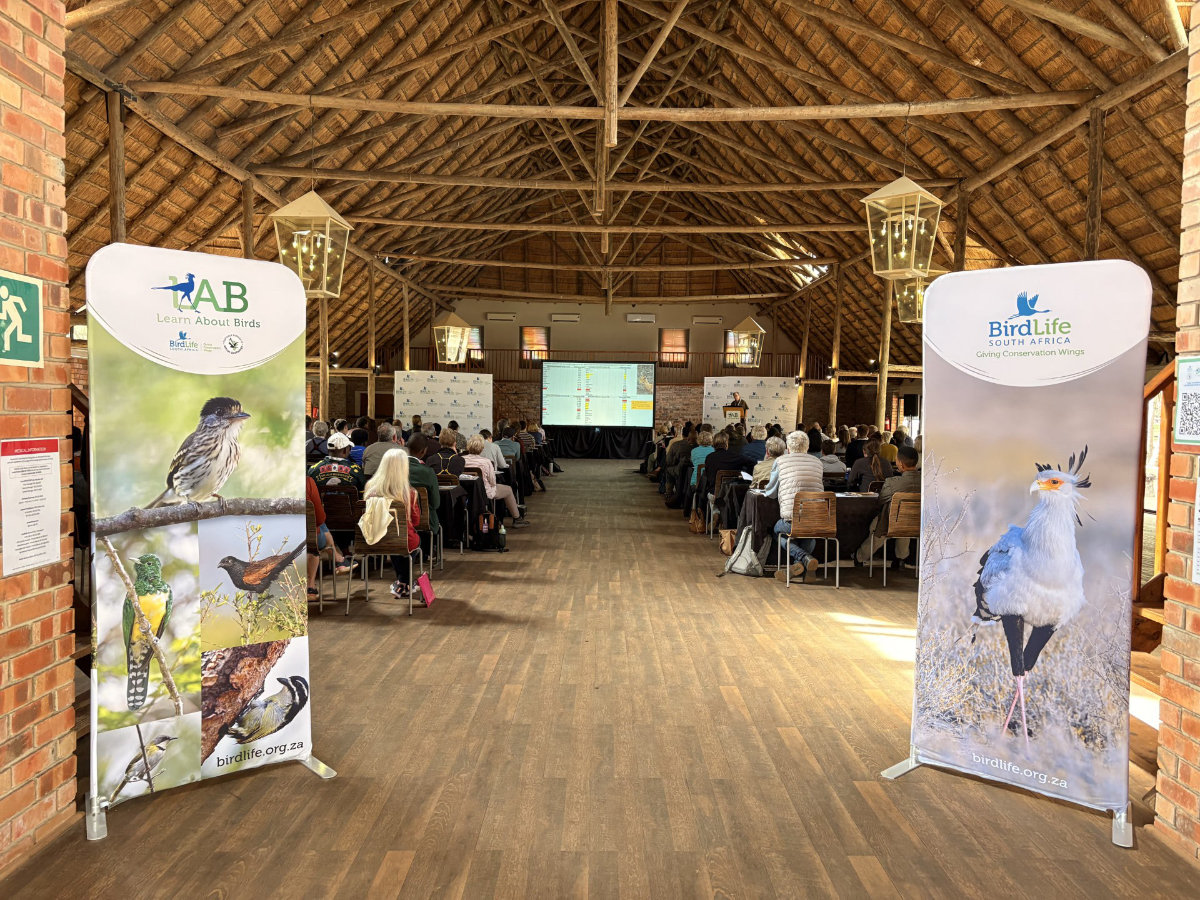
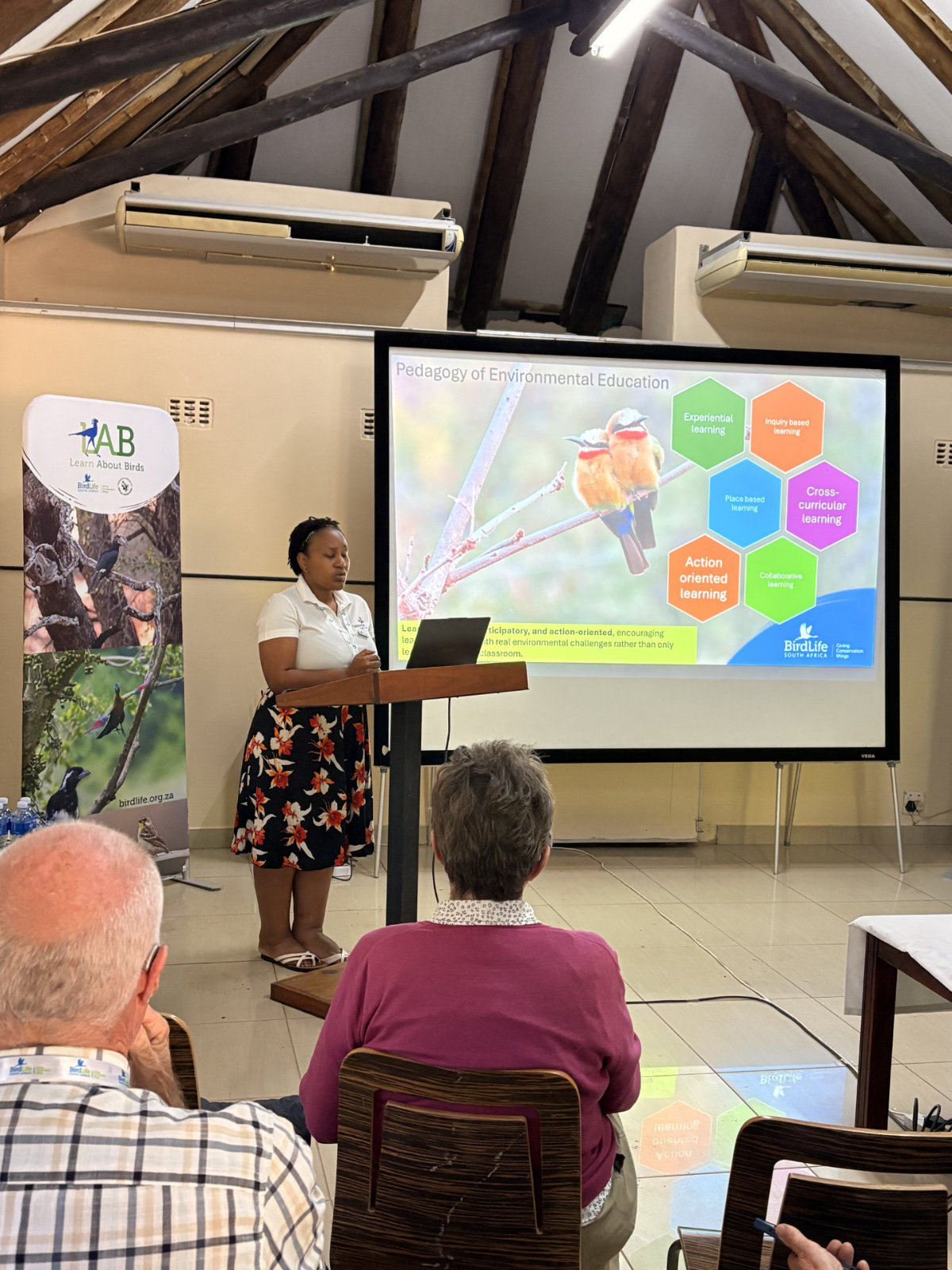
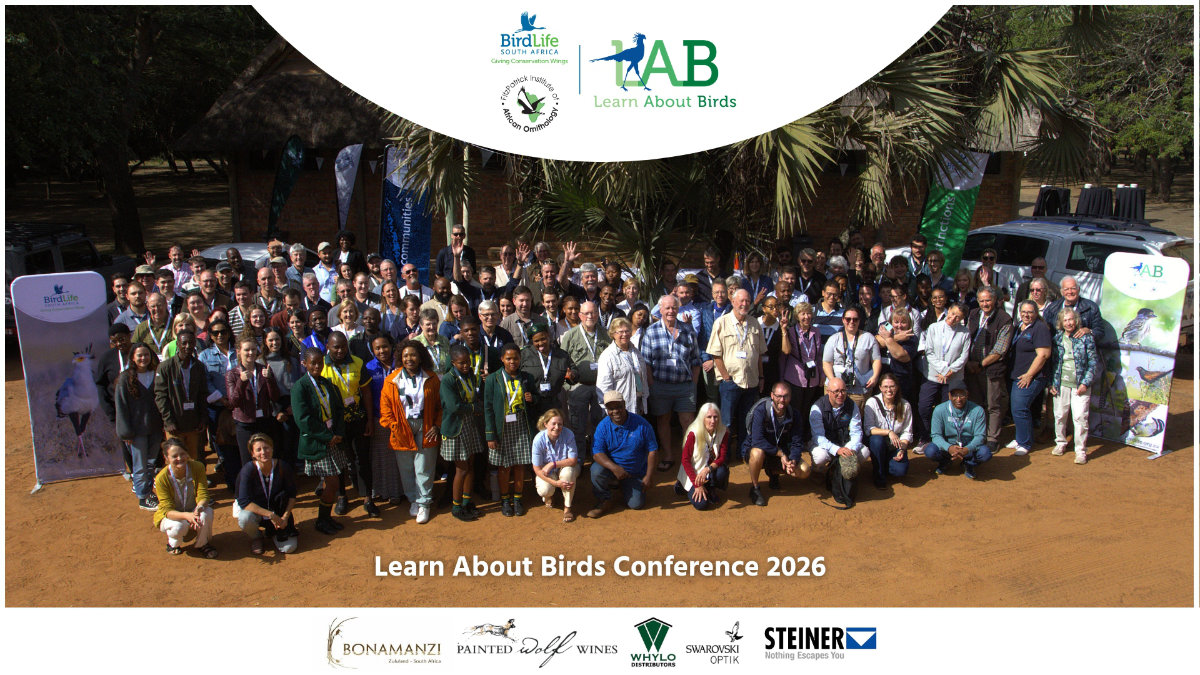
Learn About Birds 2026
This year’s Learn About Birds (LAB) conference delivered an inspiring mix of science, conservation and birding at Bonamanzi Game Reserve in KwaZulu-Natal. The conference welcomed a diverse community of bird enthusiasts, researchers and conservation practitioners from across South Africa with a programme reflecting the breadth of work being undertaken to better understand and protect our birds. Presentations covered topics from migration and habitat conservation to emerging technologies that are reshaping ornithological research. This year, Conservation Conversations Live sessions created an interactive space for sharing conservation stories and practical solutions, highlighting the value of citizen science, habitat restoration efforts and initiatives to tackle threats to birds.
LAB 2026 also showcased the future of African ornithology through a strong contingent of student researchers. Their presentations reflected both the high quality of emerging science and the passion of the next generation of conservation leaders. Congratulations to Bianca Coulson, winner of the Best PhD Presentation award, and Connor Barr, who received the Best MSc Presentation award!
Outside the conference venue, delegates took full advantage of Bonamanzi’s exceptional birding opportunities. Guided walks, game drives and informal birding sessions produced a host of memorable sightings and plenty of opportunities to connect with fellow birders. Highlights included African Broadbill, Pink-throated Twinspot, Neergaard’s Sunbird, Rudd’s Apalis, African Finfoot, White-backed Night Heron, Palm-nut Vulture and Crowned Eagle.
Thank you to our partner, the FitzPatrick Institute of African Ornithology, and to our sponsors, Whylo Distributors/Swarovski Optik, Painted Wolf Wines and Steiner, for helping to make LAB 2026 a memorable and successful event.
DR LORINDA HART, BIRDS AND AGROCHEMICALS PROJECT MANAGER; DR LINDA VAN DEN HEEVER, SPECIES CONSERVATION PROGRAMME MANAGER; CASSIE CARSTENS, SECRETARYBIRD PROJECT MANAGER; JUSTIN HENRY, VULTURE PROJECT MANAGER

It’s all about the baseline…
One of the standout points made at the Learn About Birds (LAB) conference held at Bonamanzi Game Reserve last month was the vital contribution that long-term datasets make to conservation. But why do they matter?
Long-term records reveal change. They provide links in a chain that, when unbroken, tell a story of how our natural world has transformed over time. Often, those changes are so gradual that each generation accepts as normal a diminished version of nature. This is known as shifting baseline syndrome, and it was highlighted by David Allan, retired Curator of Birds at the Durban Natural Science Museum, during his plenary presentation.
I was reminded of this while driving recently. As a child, long-distance journeys always included a stop to clean the windscreen. It wasn’t fuel we needed; it was a clear view through the thick layer of insects that had collided with the glass. Today, I can drive hundreds of kilometres and barely notice a single splatter. For my children, this is normal. By the time they have children, stories of insect-covered windscreens may seem hard to believe. Yet this simple observation reflects a worrying global trend.
Insects are the foundation of healthy ecosystems. They pollinate crops and wild plants, recycle nutrients, control pests and provide food for birds and other animals. One of the major drivers of their decline is the intensification of agriculture. Broad-spectrum insecticides and other agrochemicals can affect far more than their intended targets, reducing populations of non-target and beneficial organisms too. Herbicides may further diminish numbers by removing flowering plants and habitat diversity from agricultural landscapes. These consequences ripple through ecosystems. This is why the message about legacy is so important.
Without long-term monitoring, today’s losses become tomorrow’s forgotten normal. Every survey, record, specimen and citizen science observation helps preserve a benchmark against which future generations can measure change. If we fail to record what we have today, we may never realise what we have lost tomorrow.
It is never too late to make a positive change. Start small. Support diversity by removing harmful chemicals from your home, for example. Or, if you would like to contribute to a legacy link in the data chain, find out more by scanning the QR codes below.
DR LORINDA HART, BIRDS AND AGROCHEMICALS PROJECT MANAGER


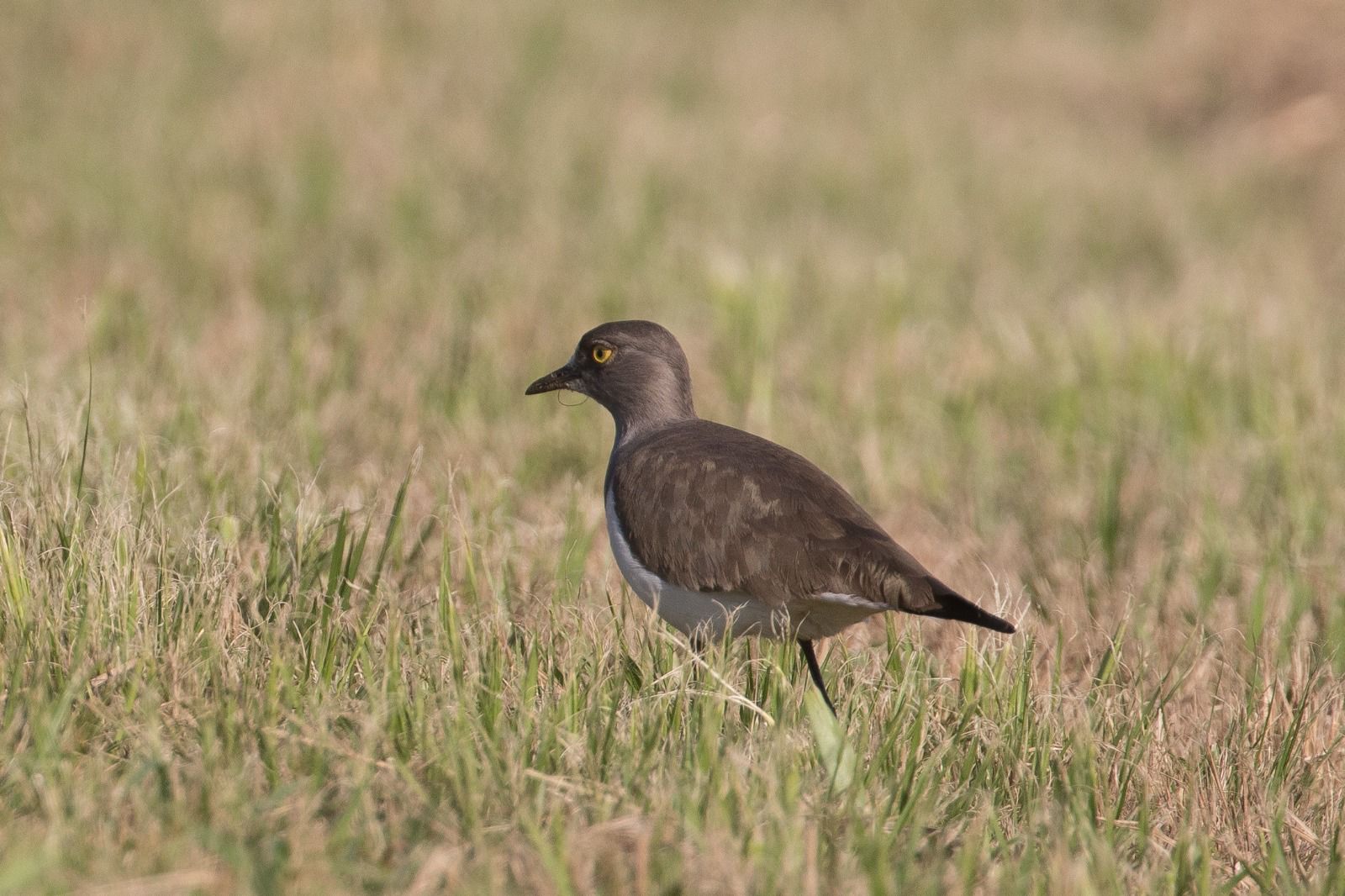

LAB 2026 BirdLasser Challenge
One of the highlights of the 2026 LAB conference at Bonamanzi Game Reserve was the BirdLasser Challenge, which encouraged delegates to record as many bird species as possible within a 10km radius of the conference venue. Running from 10h00 on 20 May to 10h00 on 23 May, the challenge combined citizen science with a healthy dose of friendly competition.
The 13 enthusiastic participants who took up the challenge collectively recorded an impressive 193 bird species. Observations were submitted using the BirdLasser mobile application, providing valuable biodiversity records while encouraging delegates to explore the exceptional birdlife of Bonamanzi and its surrounding habitats.
The challenge demonstrated the remarkable diversity of the Maputaland region, with participants recording a wide range of wetland, forest, woodland and savanna species. Among the highlights were several sought-after regional specials, including African Broadbill, Pink-throated Twinspot, Rudd’s Apalis, Neergaard’s Sunbird, Black-throated Wattle-eye, White-backed Night Heron, African Finfoot, Southern Banded Snake Eagle, Crowned Eagle, Palm-nut Vulture, Trumpeter Hornbill, Purple-crested Turaco and Half-collared Kingfisher. The species list reflected the blend of habitats found at Bonamanzi, from sand forest and coastal woodland to wetlands and riverine systems.
Competition at the top of the leaderboard was close, with BirdLife South Africa’s Fanie du Plessis claiming the title with an impressive 92 species. He was followed by David Ehlers Smith (84 species), Wesley Gush (80 species), Ernst Retief (73 species) and Dominique Rabie (69 species). While no prizes were awarded, participants competed for the most valuable reward of all: bragging rights and the honour of being crowned the inaugural LAB BirdLasser Challenge champion.
Beyond the competition itself, the challenge demonstrated the value of citizen science platforms such as BirdLasser in documenting biodiversity and encouraging greater participation in bird monitoring. It also highlighted Bonamanzi Game Reserve as an outstanding birding destination.
CASSIE CARSTENS, SECRETARYBIRD PROJECT MANAGER
Sign up for our informative monthly newsletter

Monitoring birds in July
Citizen scientists take note: the winter Coordinated Avifaunal Roadcount (CAR) and the Coordinated Waterbird Count (CWAC) take place in July.
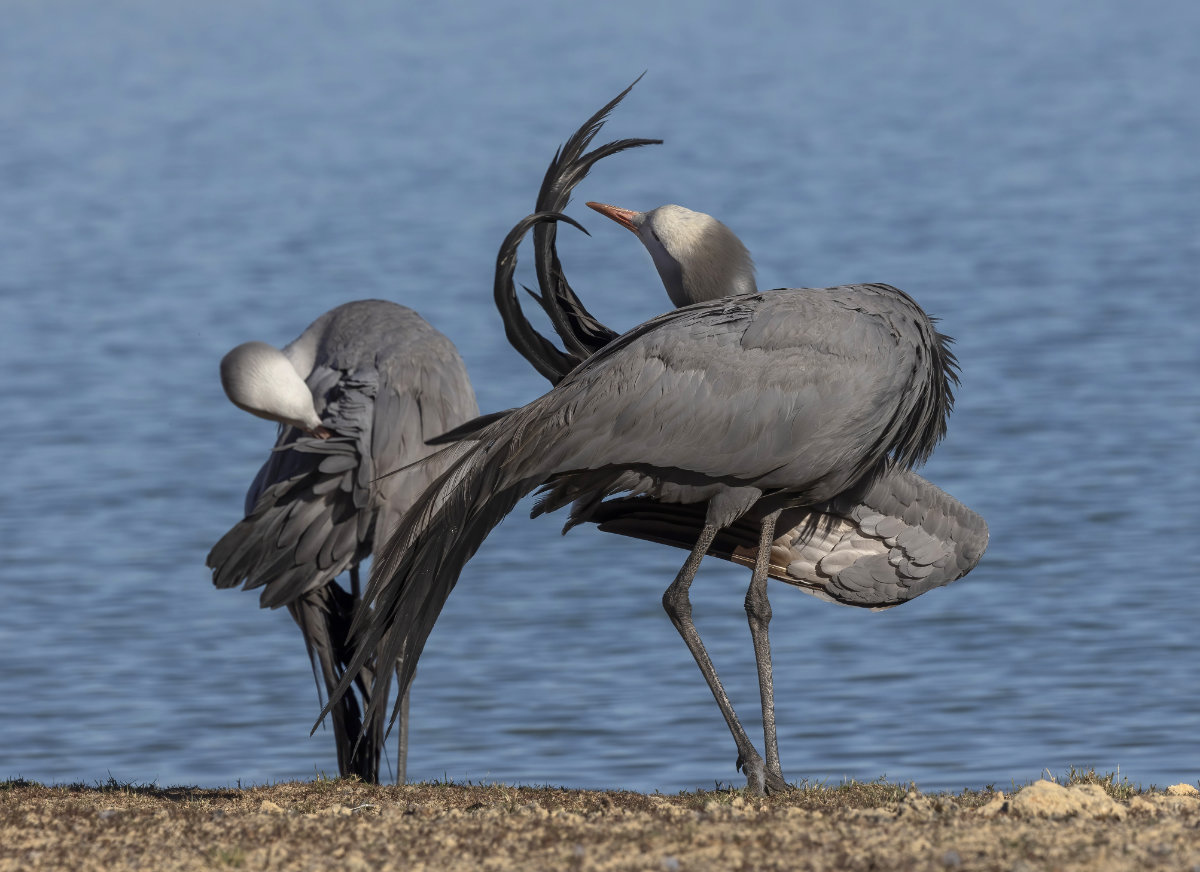
For the CAR survey, held on Saturday, 25 July 2026, volunteers will crisscross South Africa’s back roads recording the large terrestrial birds they see. Participants who can’t join on the day are encouraged to conduct their route surveys during the week before or week after the official count date if necessary. CAR has provided valuable information about species such as Secretarybirds, cranes, bustards and Southern Bald Ibises for more than three decades.
Throughout July, volunteers can also participate in CWAC, one of South Africa’s longest-running wetland monitoring programmes. CWAC surveys record waterbirds at wetlands, dams, estuaries and rivers, providing critical information about population trends and the conservation importance of these sites.
Both projects rely heavily on volunteer participation and provide valuable long-term datasets that support research, conservation planning and environmental decision-making. Whether you prefer scanning wetlands for ducks and waders or surveying open grasslands for cranes and Secretarybirds, there is an opportunity to contribute.
Those interested in participating in CAR can contact their local bird club, their precinct coordinator or Tania Anderson at sabap2@birdlife.org.za. Information about both projects, including survey protocols and participation details, can be found at car.birdmap.africa and cwac.birdmap.africa.
By taking part in CAR and CWAC, volunteers contribute directly to some of South Africa’s most important long-term bird monitoring initiatives.
CASSIE CARSTENS, SECRETARYBIRD PROJECT MANAGER


Every record counts
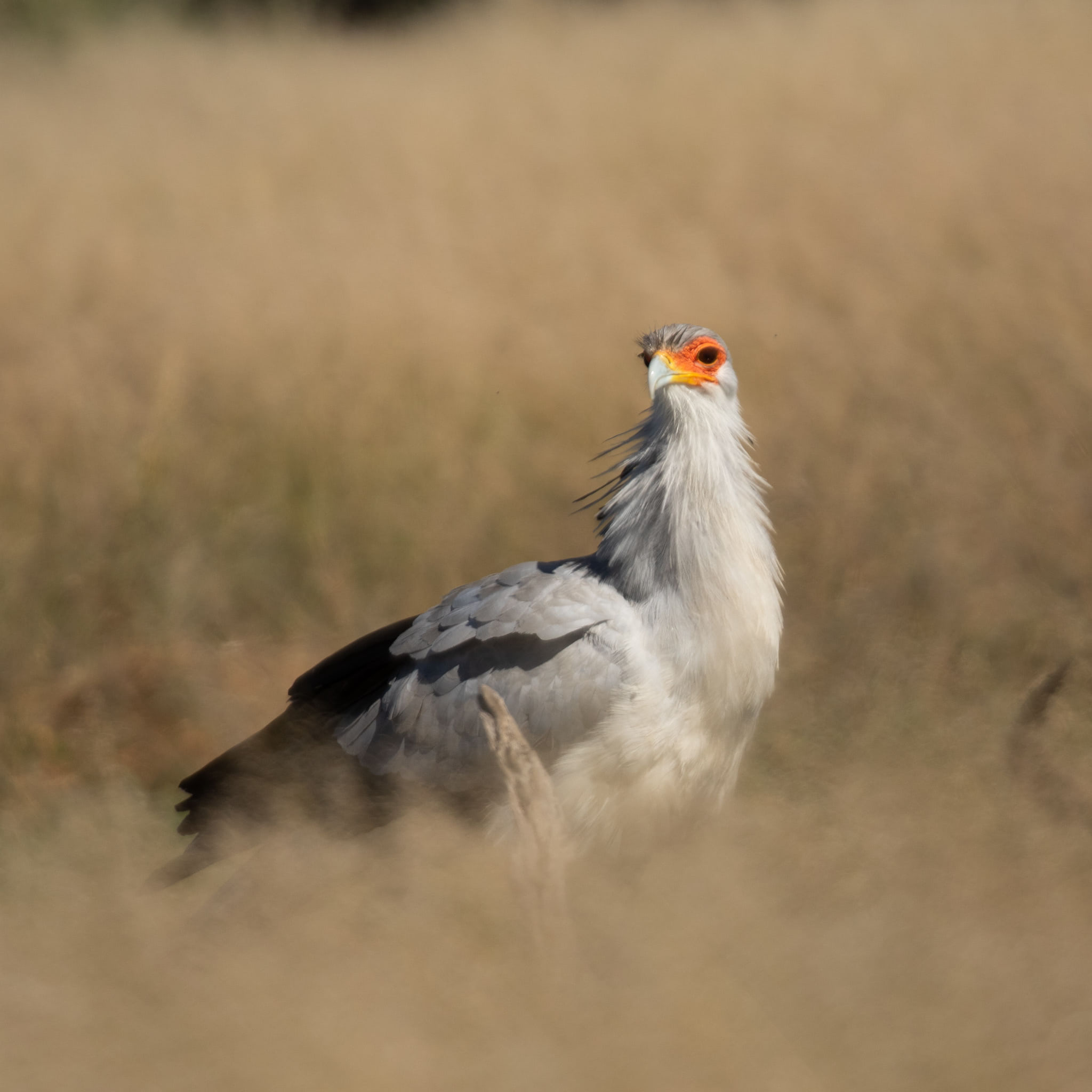
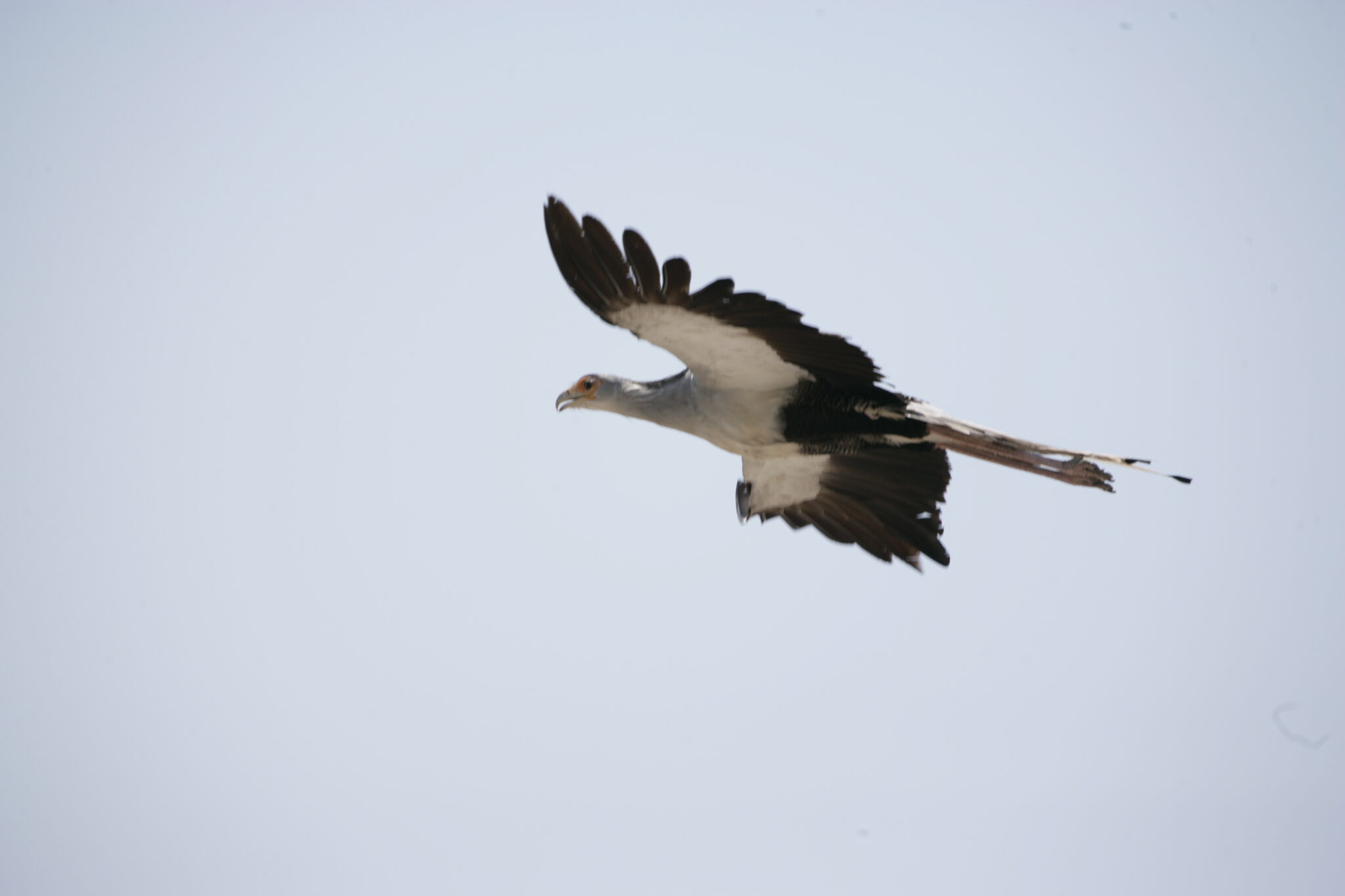
Hundreds of dedicated citizen scientists, birders, atlasers, ringers and landowners across South Africa contribute valuable information that helps to build a clearer picture of the Secretarybird and the challenges it faces.
One of the most important contributions comes through the Southern African Bird Atlas Project (SABAP2). Atlas data allow researchers to track changes in the distribution of Secretarybirds over time and identify areas where additional survey effort is needed. During 2025 alone, atlasers submitted 938 full-protocol cards containing Secretarybird records from 519 pentads across South Africa, providing a remarkable snapshot of the species’ current distribution. BirdLasser and other bird recording platforms add another important layer of information. Everyday observations submitted by birders help document where Secretarybirds occur, provide real-time records from across the country and often contribute valuable behavioural observations. Recent initiatives such as the BirdLasser Challenge held during the LAB 2026 conference further highlighted the role that citizen scientists can play in collecting biodiversity data while enjoying birds in the field.
Ringing also contributes significantly to our understanding of Secretarybirds. Since the start of the SAFRING programme, 489 individuals have been ringed, resulting in 11 retraps and 19 recoveries or resightings. These records help researchers better understand survival, longevity, dispersal and movement patterns. During the 2025–2026 breeding season alone, 45 nestlings were ringed by multiple licensed ringers working across South Africa.
Citizen scientists also contribute by reporting active nests, submitting photographs of colour-ringed birds and sharing observations from farms, reserves and rural areas where Secretarybirds still occur.
Every atlas card, BirdLasser checklist, ring recovery, nest report and incidental observation adds another piece to the puzzle. Together, these contributions provide the foundation upon which effective Secretarybird conservation is built and demonstrate the powerful role that citizen science plays in safeguarding one of South Africa’s most fascinating birds.
CASSIE CARSTENS, SECRETARYBIRD PROJECT MANAGER




Kruger Challenge aids White-winged Flufftail conservation
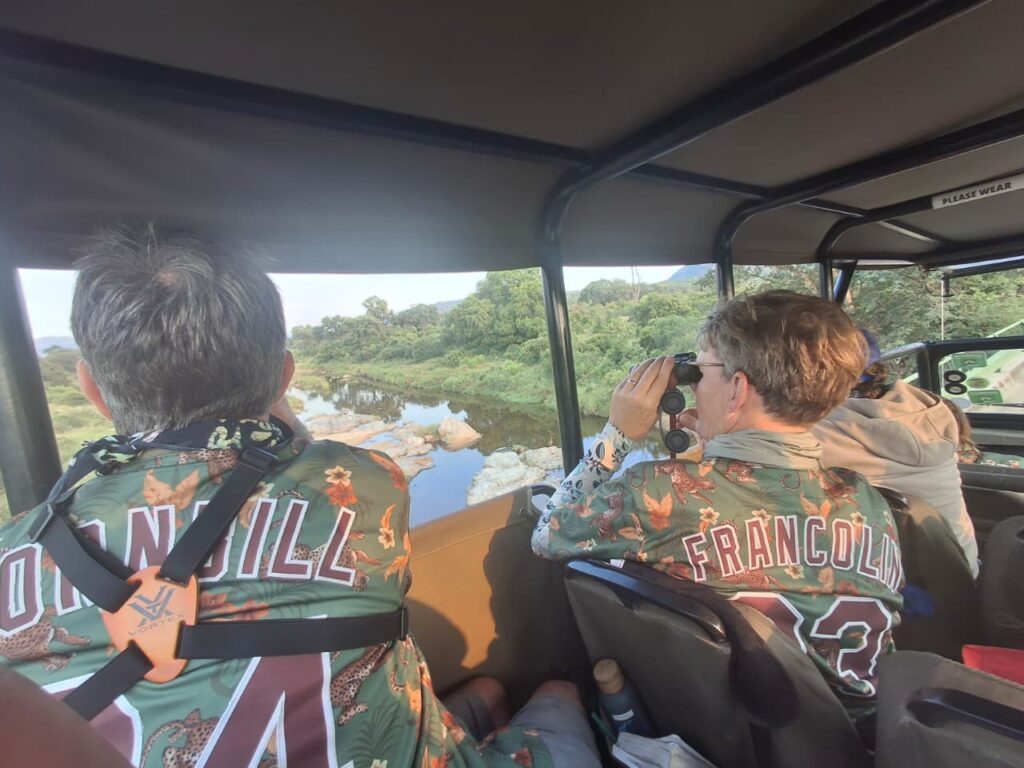
From 12 to 21 February 2026, despite flooding-related challenges, six teams set out to explore the Kruger National Park, from its mopane woodland to its acacia-dominated bushveld. Beginning at Punda Maria and travelling through Shingwedzi, Olifants and Skukuza before reaching the finish line at Berg-en-Dal, participants recorded numerous bird and mammal species along the way.
With over 500 bird species and more than 150 mammals on the park’s list, there was no shortage of excitement. Some of the memorable birds recorded were Southern Ground-Hornbill, Grey-headed and Brown-headed parrots, Green-capped Eremomela, Mosque Swallow, Olive-tree and Icterine warblers, Thrush Nightingale, Retz’s Helmet-shrike, Böhm’s Spinetail, White-crowned Lapwing, Monotonous Lark, Pallid Harrier, Lesser Spotted Eagle, Eurasian Hobby, Harlequin Quail, Yellow-billed Oxpecker and African Skimmer.
All proceeds from the event go directly to BirdLife South Africa, through Middelpunt Wetland Trust, to support the research and conservation of the White-winged Flufftail, one of Africa’s most threatened and least known birds.
A fundraising effort of this scale is only possible through the generosity of many contributors. Our deep gratitude goes to Rockjumper Birding Tours, who organised and coordinated the event, volunteering time, resources and expertise without taking any financial benefit.
We also extend our thanks to the supporters: ZEISS, Painted Wolf Wines, South African National Parks (SANParks), Santa Nature Reserve (through the Mackenzie Foundation), Firefinch App and Ford Wildlife Foundation.
We are also grateful to the teams who gave their enthusiasm and competitive spirit to our cause. The competition proved exceptionally close, with just a handful of sightings separating most teams. The final combined bird and mammal list totals were:
• The Dream Team: 363 species
• California Thrashers: 317 species
• Wing It Kruger: 317 species
• The Pecking Order: 316 species
• Kruger Kingfishers: 315 species
• Kruger Wing Watchers: 292 species
The Kruger Birding & Wildlife Challenge was more than a competition; it was a reminder of what a community of passionate people can achieve when they come together for nature conservation.
Rockjumper Birding Tours has put together a short video of the challenge. You can watch it at youtube.com/watch?v=dV5ZaQXh_BA.
DR KYLE LLOYD, WETLAND CONSERVATION PROJECT MANAGER/ROCKJUMPER FELLOW OF WHITE-WINGED FLUFFTAIL CONSERVATION & DR MARLIZE MULLER, STEENKAMPSBERG CONSERVATION OFFICER


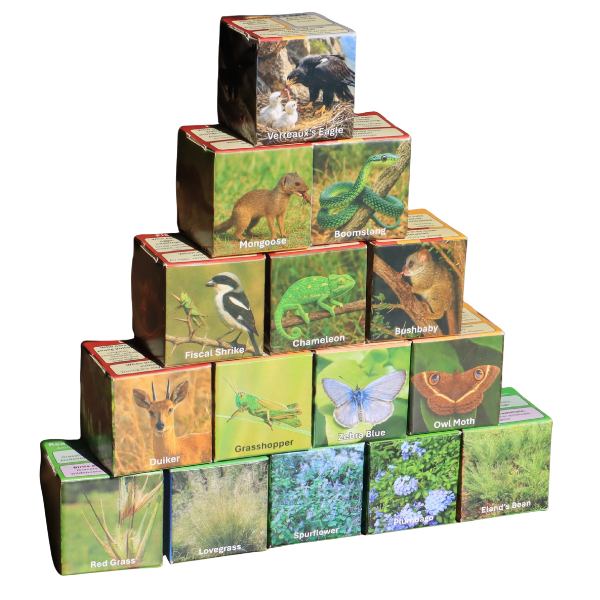
THRIVE, a game about ecosystem dynamics
The game THRIVE was created by Dr Lynn Katsoulis, a pharmacologist and systems ecologist whose work spans continents and ecosystems. She uses her earnings from international medical work to fund ecological and educational initiatives close to her heart.
Dr Katsoulis owns Happy Acres, an environmental field centre established in 1945, where children are taught about the natural world through hands-on play. She founded and directs the NPC ABERI (African Biodiversity and Ecosystem Restoration Initiative), an organisation that operates across southern Africa. She also serves as president of the Lepidopterists’ Society of Africa, where she leads national butterfly monitoring projects using lepidoptera as bio-indicators of terrestrial ecosystem health. A flagship project is currently being established in the Kruger National Park, where butterfly populations are being used to assess the real impact of elephants and other large mammals on vegetation.
THRIVE grew directly out of this world. The game began as simple demonstrations at Happy Acres, showing children how human actions ripple through ecosystems. Over 10 years of teaching, playing and refining, through countless iterations with real children and educators, those demonstrations evolved into the versatile, scientifically rigorous and genuinely exciting game it is today.
The result is a game that does not feel like learning because the learning never stops.
The primary goal of producing the game is to spread understanding of ecosystem dynamics as widely as possible, particularly the impact humans have on the delicate balance of nature. Playing THRIVE demonstrates why protecting and restoring functional ecosystems is one of the great challenges of our time.
The game is priced to be as accessible as possible and all proceeds support ongoing research and environmental education. For more information or to place an order, visit shop.birdlife.org.za/product/thrive/ or contact me at shop@birdlife.org.za or 011 789 1122.
CLARE NEALL, EVENTS MANAGER



Five years of penguin releases at De Hoop
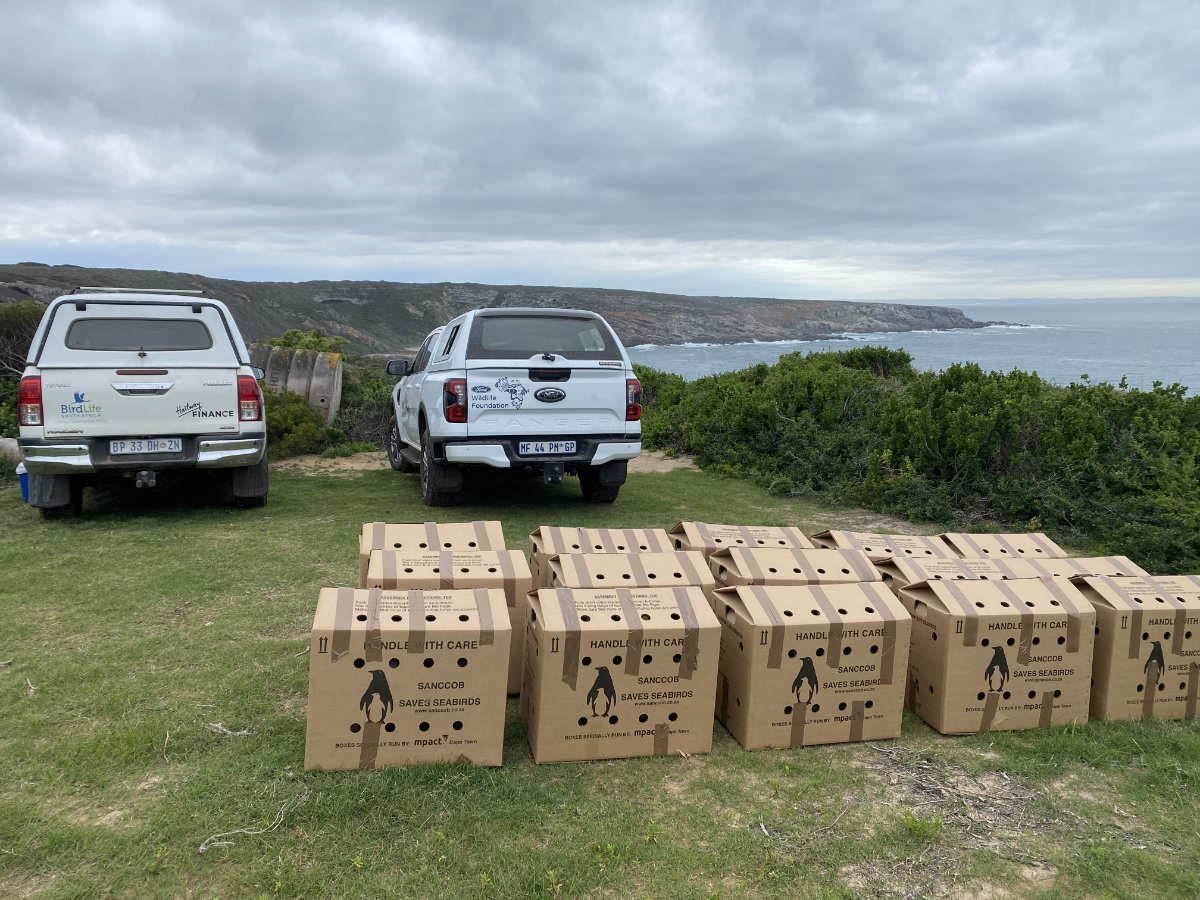
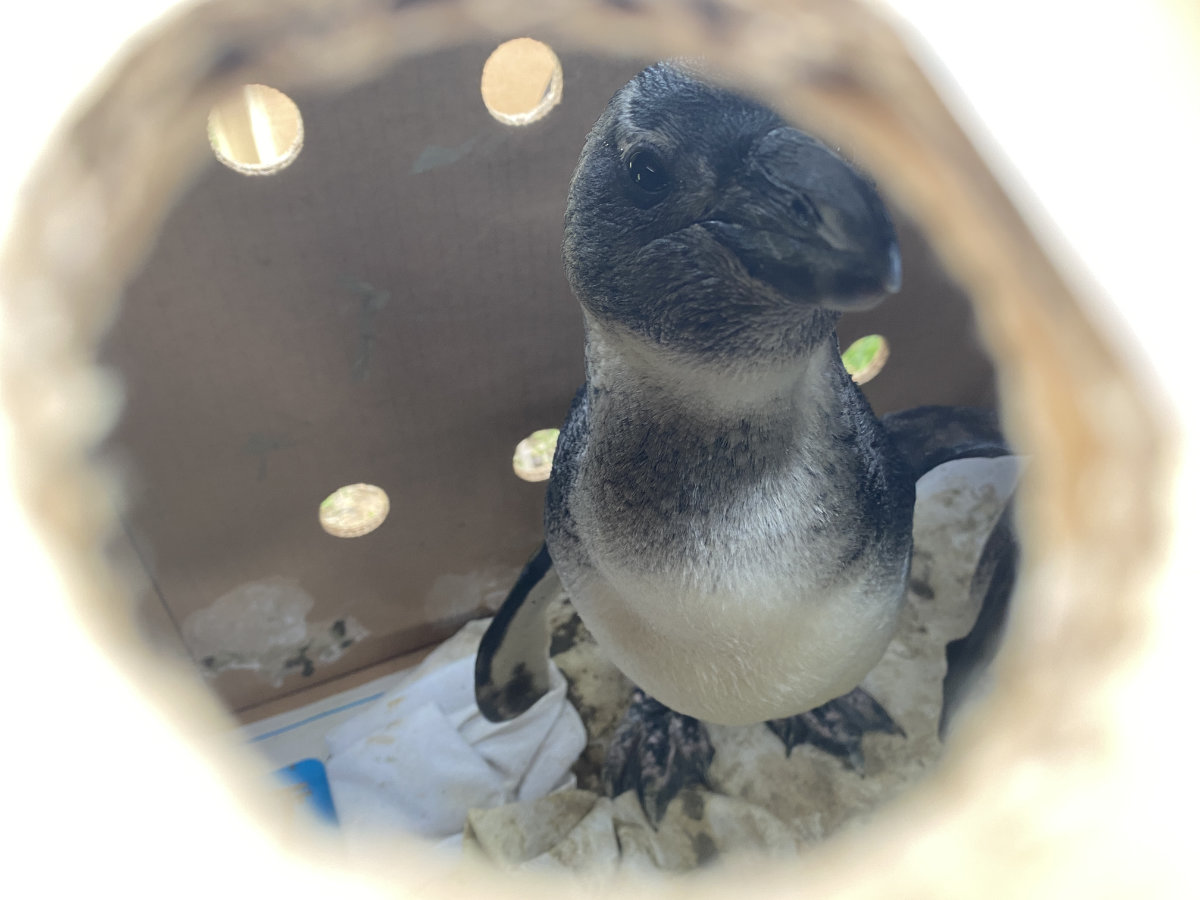
BirdLife South Africa, SANCCOB and CapeNature have teamed up to re-establish the African Penguin colony at De Hoop Nature Reserve, and part of the process involves releasing hand-reared penguin fledglings there. These birds are rescued as eggs or chicks from other penguin colonies and then hand-reared at SANCCOB’s Cape Town facility. Fledgling penguins are ideal candidates for releasing at a new colony, as they will still need to decide on which colony to call home when they start to breed. Adult penguins that have started breeding at another colony will return to it each year, making any attempt to relocate them to a new site futile. The hand-reared birds are at an age – about 100 days old – when they would go to sea naturally. They then spend most of the next 3–6 years in the water, coming ashore only to moult once a year. They will choose a colony at which to breed when they are ready – and, of course, we hope they choose De Hoop!
The first group of 30 penguins was released on 11 June 2021. Since then, between 30 and 80 penguins have been released each year, a total of 387 over the whole period. The first two groups were released near the water on the same day they arrived. After those releases we changed tactics slightly, keeping the penguins on the beach at the colony overnight to allow them to acclimatise and, hopefully, imprint on the colony. Keeping them on site for longer would likely be better, but would be much more complex logistically.
Each penguin that goes through SANCCOB is fitted with a small microchip, which enables us to identify it again if it returns to De Hoop or visits another colony. The microchips can be read using a handheld reader or an antenna on the ground that the penguins walk over. So far, 40 of the released birds have been detected on the ground reader at De Hoop. This may not sound like very many compared to the number of penguins released, but it is a very positive sign. Most of the released birds are still too young to breed, so we do not expect to see them until they have matured.
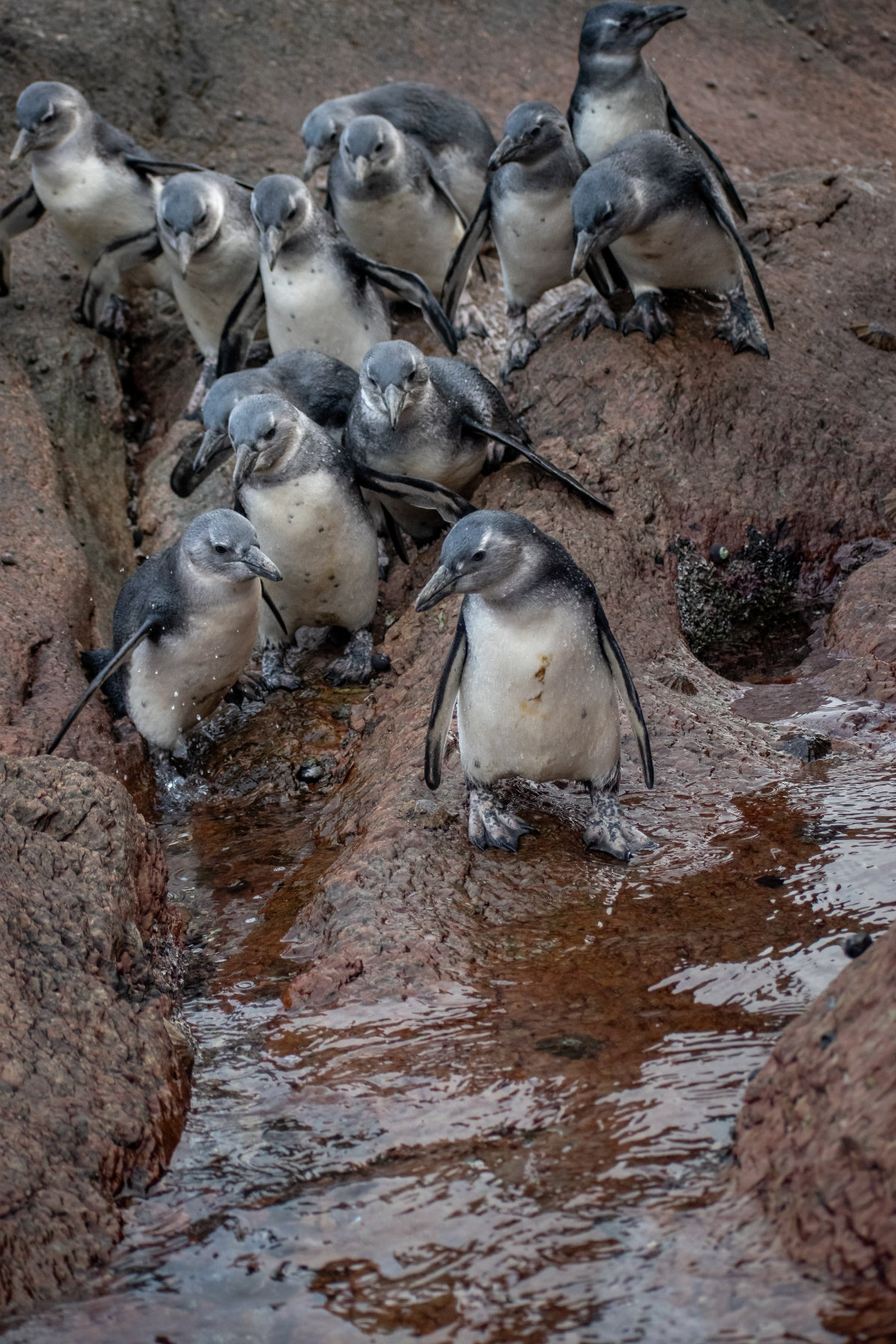
So far in 2026, two groups have been released. The latest release took place on 9 June and saw an eager group of 30 penguins heading out into the ocean. We have high hopes for their eventual safe return to contribute to the next generation of penguins at De Hoop!
We would like to thank our partners, SANCCOB and CapeNature, for their valuable contributions to the project and the Isdell Family Foundation for funding the majority of the De Hoop colony project.
CHRISTINA HAGEN, PAMELA ISDELL FELLOW OF PENGUIN CONSERVATION

Zululand Lodge
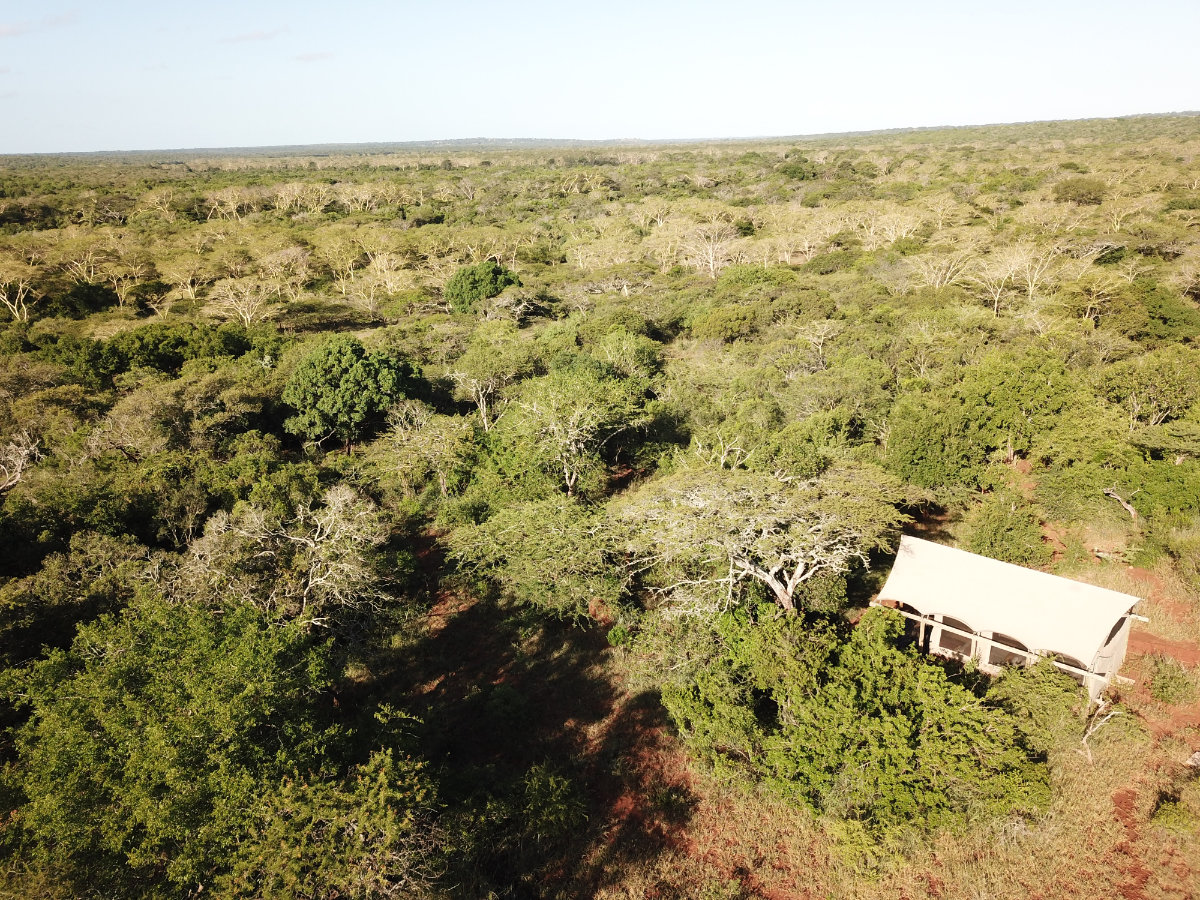
Northern KwaZulu-Natal has long been celebrated as one of South Africa’s premier birding destinations. The remarkable diversity of habitats found across the region, from ancient sand forest and riverine woodland to wetlands and coastal plains, supports an equally remarkable diversity of birdlife. For birders visiting Zululand, the attraction lies not only in impressive species lists, but in the opportunity to experience sought-after birds in landscapes that remain wild, scenic and wonderfully unspoilt.
Situated within this bird-rich corner of South Africa, Zululand Lodge offers an ideal base from which to explore the region’s avian treasures. Its location places visitors within easy reach of several productive habitats, allowing both dedicated birders and nature-loving travellers to immerse themselves in a justly renowned birding area.
Among the many species that draw birders to the region, few inspire as much excitement as the African Finfoot. Secretive and notoriously difficult to observe, this enigmatic bird inhabits densely vegetated waterways, often slipping unnoticed through the shadows. Early mornings along the quiet river systems surrounding the lodge can provide opportunities for patient observers to search for this highly prized species, often with success. Even a brief sighting of it is enough to rank as the highlight of most birding journeys.
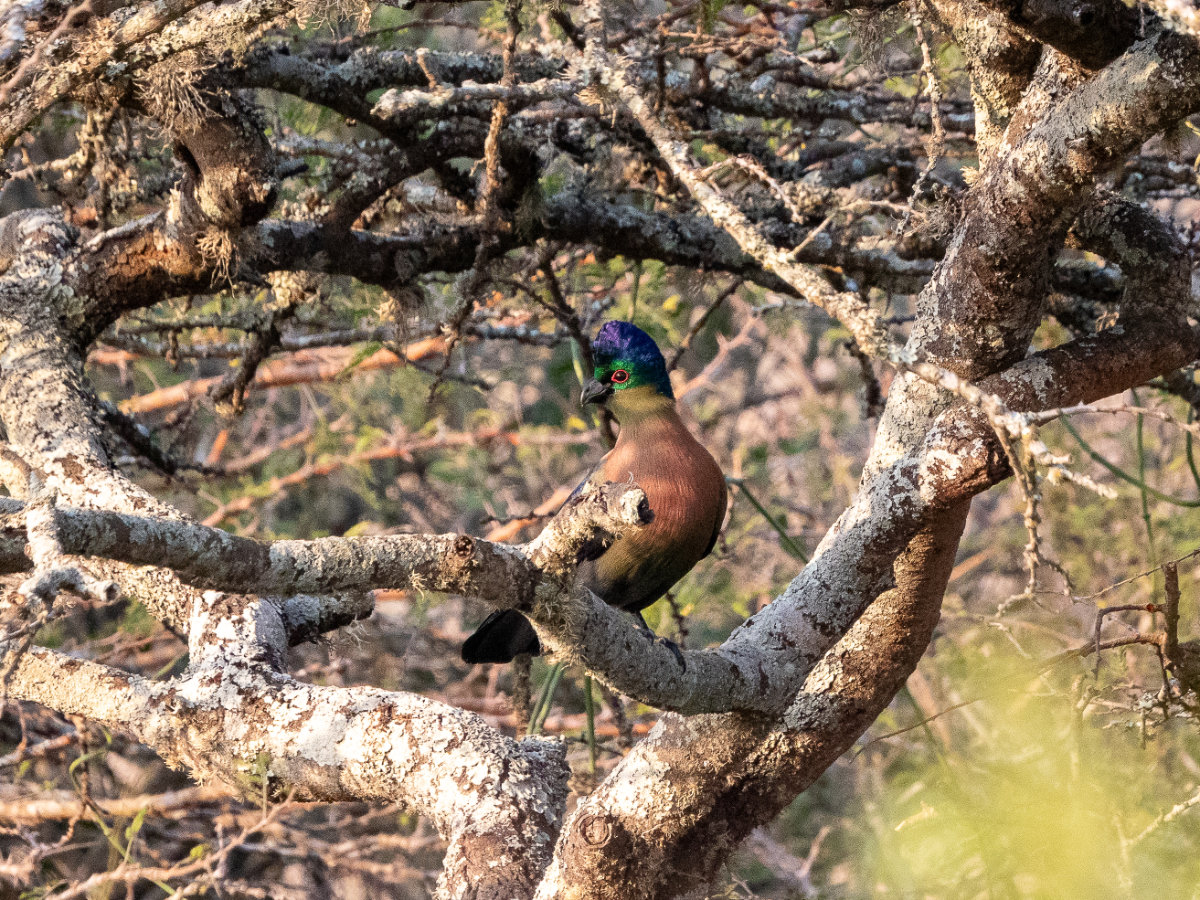
Equally desirable is the exquisite Pink-throated Twinspot, widely regarded as one of southern Africa’s most beautiful finches. The male’s delicate pink throat and finely spotted plumage make it a species that many birders dream of seeing. The surrounding sand forest habitat provides suitable conditions for this elusive bird, rewarding those who spend time exploring the forest edge during the cooler hours of the day.
While these headline species may attract much of the attention, birding around Zululand Lodge offers far more than a pursuit of targets. Trumpeter Hornbills call from the treetops, robin-chats deliver their rich, melodic songs from the thickets and wood doves provide a constant soundtrack to the day. Depending on the season, visitors may encounter a variety of forest specialists, ranging from resident woodland species to seasonal summer migrants, ensuring that every outing presents birders with new and exciting possibilities.
What makes birding in Zululand particularly memorable is the sense of anticipation that accompanies every excursion. A quiet walk through sand forest at first light, scanning a riverbank for movement or simply sitting on a veranda listening to the dawn chorus can be every bit as rewarding as adding a new species to a list. The region invites visitors to slow down, observe carefully and appreciate the intricate connections between birds, habitat and landscape.
For travellers seeking an authentic birding experience in one of South Africa’s richest avian regions, Zululand Lodge provides both comfort and access to exceptional birdlife. Whether the goal is to search for iconic species such as African Finfoot and Pink-throated Twinspot or simply to enjoy the abundance of birds that characterises northern KwaZulu-Natal, the lodge serves as an excellent gateway to Zululand’s many avian treasures.
JOHN KINGHORN, AVITOURISM PROJECT MANAGER
An inspiring story
BirdLife South Africa’s Bird Guide Training Programme has always been about more than just birds. At its core, the programme seeks to create opportunities, empower individuals, inspire passion within communities and nurture a new generation of conservation-minded ambassadors whose influence extends far beyond the birding community.
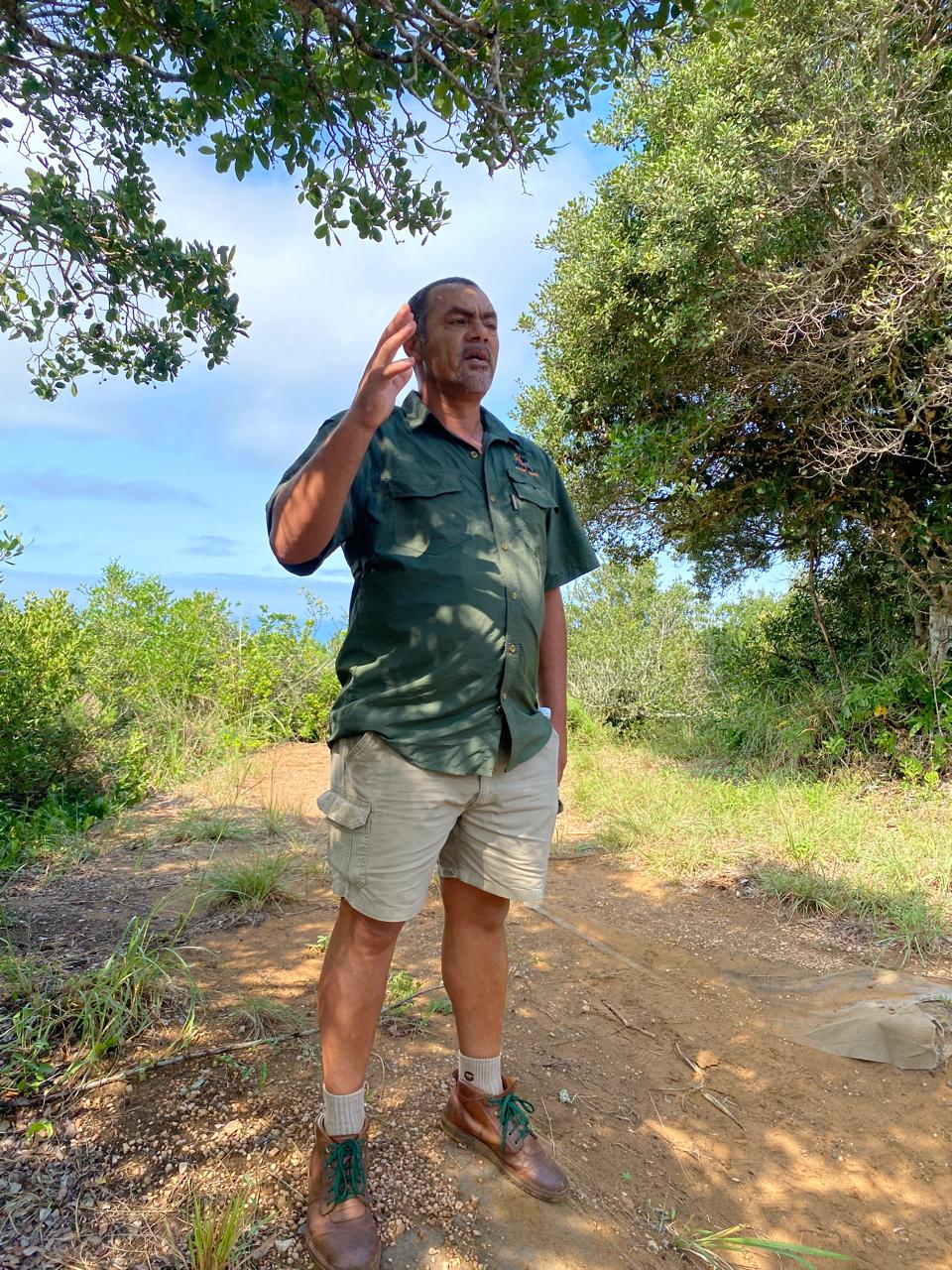
Many of the programme’s graduates have gone on to become leaders and respected tourism professionals, educators, mentors and community leaders, continually investing in their own growth while inspiring others to do the same. BirdLife South Africa Accredited (Community) Bird Guide John ‘Johnny’ van Rooyen embodies this spirit perfectly. Building on a professional journey defined by curiosity, dedication and a commitment to excellence, Johnny recently completed his NQF2 Marine Guide qualification, continuing a trajectory that promises to establish him as one of the west coast’s most skilled, diversely trained bird guides.
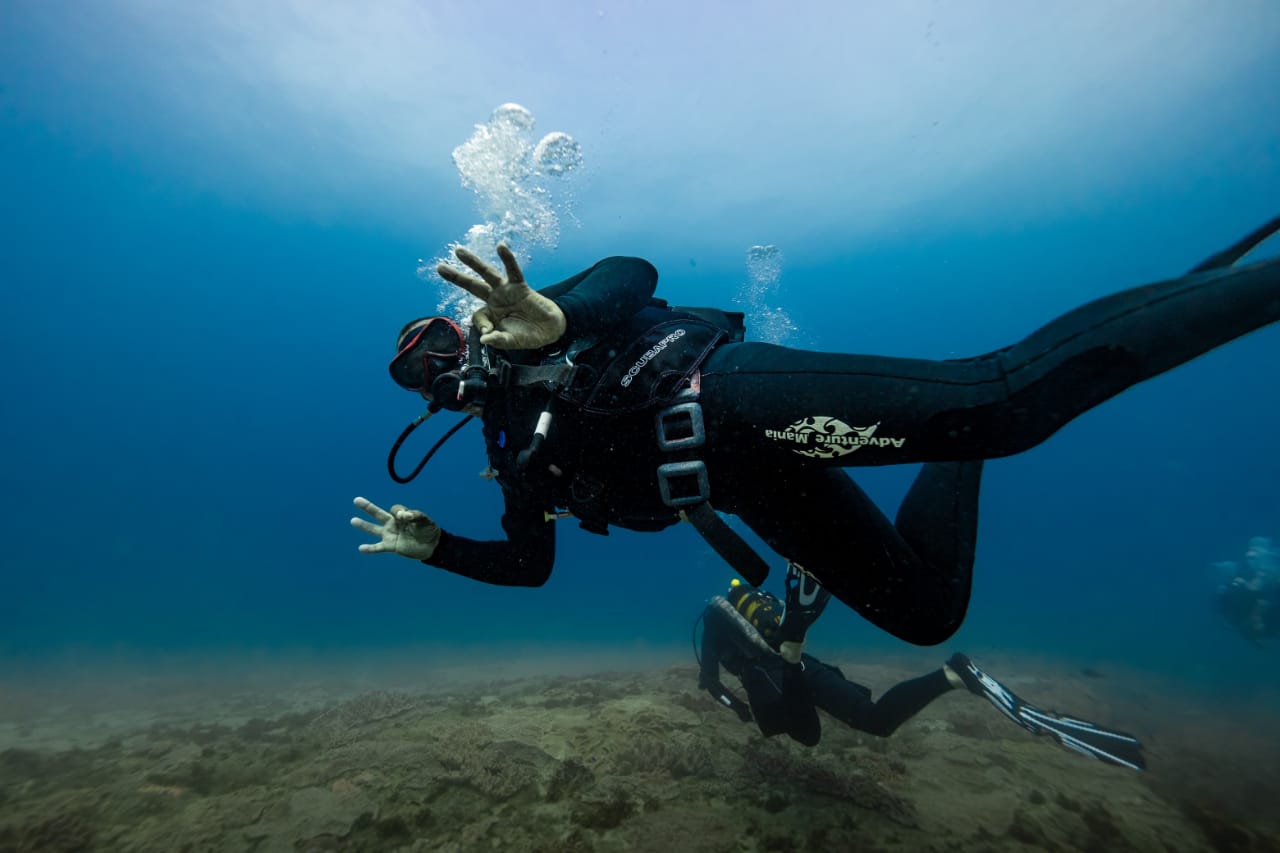
Over the past 10 weeks, and thanks to funding from the International Climate Initiative (IKI) as part of the East Atlantic Flyway Initiative, Johnny has successfully completed his NQF2, FGASA-accredited Marine Guide qualification at Bhejane Nature Training, in the heart of Zululand. This has added yet another layer of expertise to an already impressive – and rapidly growing – guiding portfolio. This achievement also reflects not only his commitment to professional development, but also his belief that the best guides never stop learning.
Born and raised in the coastal town of Lambert’s Bay, 51-year-old Johnny’s connection to the west coast runs deep. The rugged coastline, productive oceans, local fynbos and the region’s cultural heritage have all shaped his understanding of and appreciation for the natural world. It is a landscape he knows intimately, and one he has spent much of his life exploring, interpreting and sharing with others.
While Johnny is fast becoming widely respected for his guiding abilities, completing his Marine Guide qualification has broadened his understanding of the ecosystems that define the Western Cape’s coastline. The training has exposed him to a deeper study of ocean processes, coastal habitats and marine ecology, biodiversity and conservation, as well as the intricate relationships between life on land and in the sea.
For a guide whose roots are firmly planted along the coast, this additional knowledge creates opportunities to tell richer and more connected stories. Guests joining Johnny in the field are no longer learning only about birds or identifying species, but about how seabirds respond to ocean currents, how marine productivity influences bird distribution and how the health of marine ecosystems shapes the biodiversity of the entire region.
This holistic approach to training is increasingly important. Birders today often want to understand landscapes, cultures, ecosystems and the connections that bind them together. Johnny’s expanding skill set allows him to provide exactly that while contributing to CWAC counts and to BirdLife South Africa’s ongoing west coast estuary conservation efforts.
Whether guiding along rocky shores, exploring coastal fynbos on foot, interpreting the movements of seabirds offshore or sharing stories about the people who have lived alongside these ecosystems for generations, he is able to draw on a uniquely diverse body of knowledge. His background as a nature guide, bird guide, tracker, diver, cultural guide and now marine guide enables him to interpret nature from multiple perspectives, creating experiences that are both educational and deeply engaging.
Yet, for Johnny, learning remains a continuous journey rather than a destination. Having completed his NQF2 Marine Guide qualification, he is already setting his sights on the next milestones in his professional development. His immediate focus now shifts to attaining his NQF4 Nature Site Guide qualification and formal recognition of his exceptional birding skills through accreditation as a FGASA regional bird guide, with specialisations in Karoo, fynbos and pelagic birding.
Johnny’s journey serves as a powerful reminder that great guides are defined not only by what they already know, but by their willingness to keep learning. For visitors exploring the west coast with Johnny, this commitment translates into something truly special: you have the opportunity to experience the region through the eyes of someone who not only knows it intimately, but continues to deepen his understanding of it every day.
JOHN KINGHORN, AVITOURISM PROJECT MANAGER

Re-imagining bird club outings
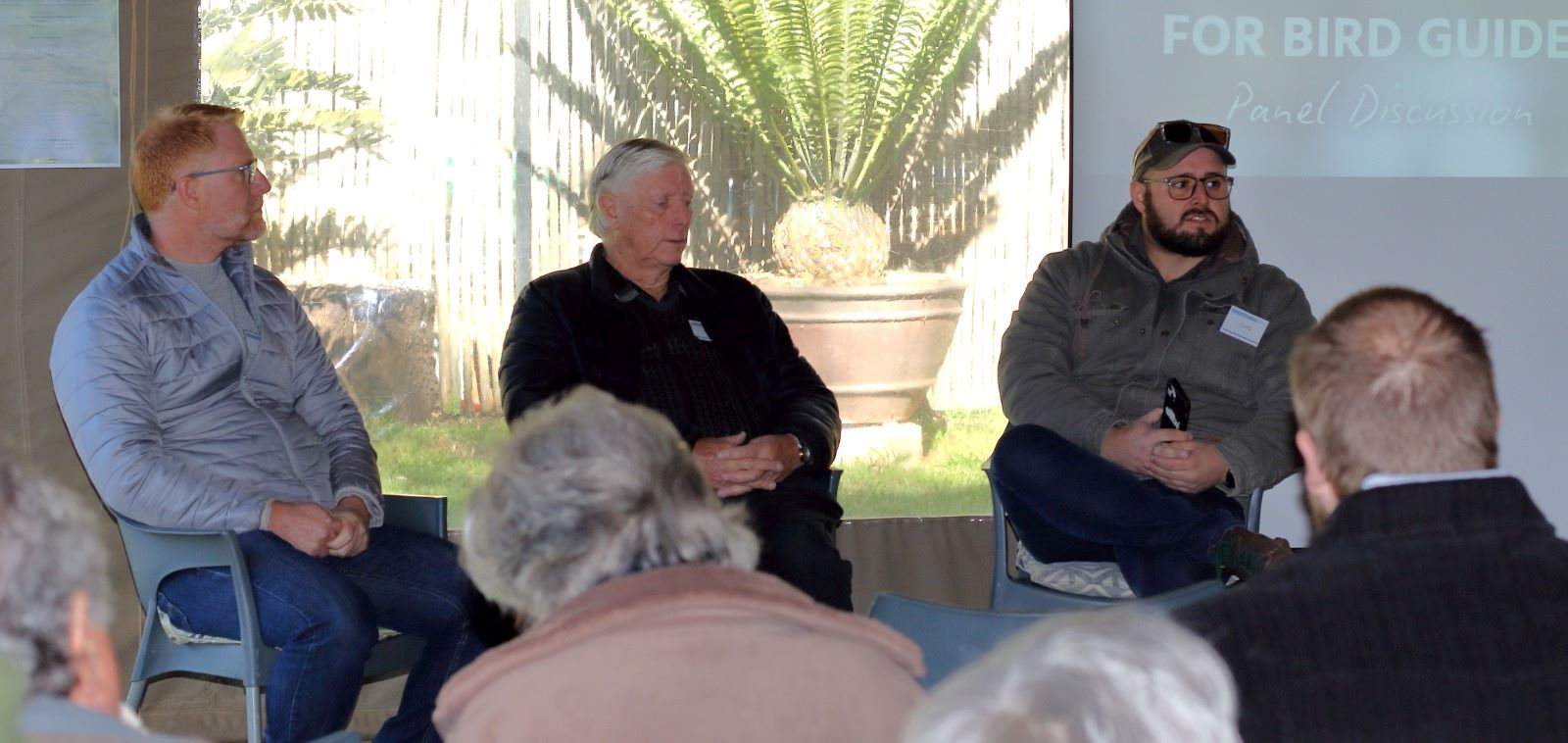
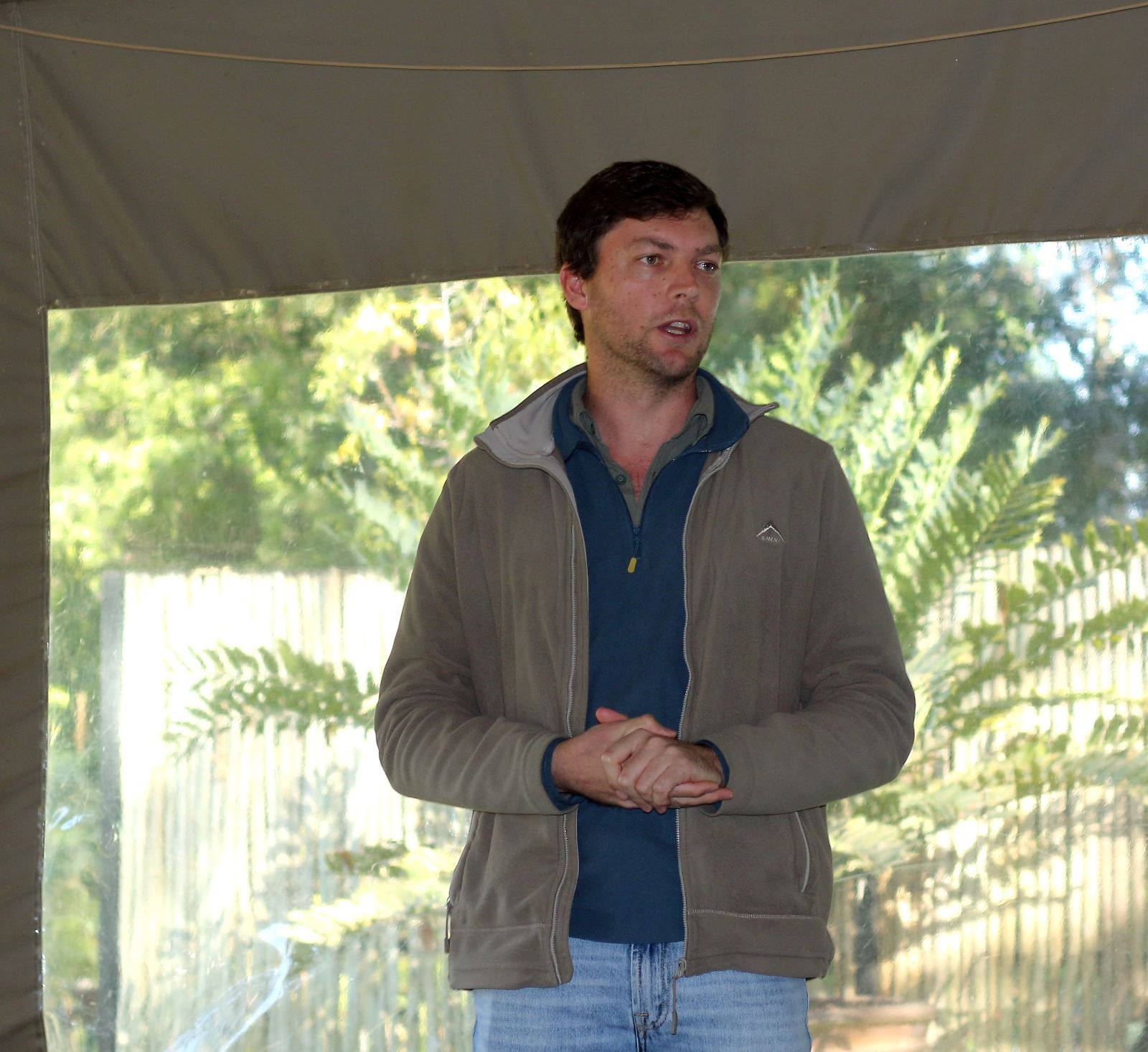
Bird clubs have long been the backbone of South Africa’s birding community. They introduce people to birding, provide opportunities for learning and mentorship, foster friendships built on a shared passion for nature and play an integral role in promoting conservation awareness. Recognising the invaluable contribution these clubs make to the growth of birding and conservation in South Africa, BirdLife South Africa recently collaborated with the Northern Regions Bird Club Forum to host a bird club outings training and activation workshop.
Held at Random Harvest Nursery in Johannesburg, the workshop brought together more than 40 participants representing bird clubs from across north-eastern South Africa. Attendees travelled from a wide geographical area, reflecting both the importance of the event and the shared commitment among bird club members to strengthen and grow their organisations.
Inspired by Lance Robinson and Dennis Townsend, the workshop formed part of an ongoing effort by BirdLife South Africa’s Avitourism Project and Membership Programme to support bird club structures and create opportunities for collaborating, sharing knowledge and developing capacity. Although bird clubs may differ in size, geography and membership demographics, many face similar challenges: attracting new members and retaining existing ones, developing future leaders and ensuring that outings, events and talks are engaging, educational and accessible to a wide range of participants.
With these objectives in mind, the workshop programme focused on equipping current and prospective outing leaders with practical skills and fresh perspectives that could be applied within their clubs. Topics included legal and ethical considerations in bird guiding, methods to enhance member experiences during club outings, the role of professional guiding standards, first-aid preparedness, and lessons learnt from experienced bird guides working in the field. The workshop allowed for open discussion between presenters and attendees, affording participants the opportunity to share challenges, exchange ideas and explore future collaboration opportunities.
A key theme that emerged was the importance of creating meaningful experiences for club members. Bird club outings and events are often the primary way in which members engage with their clubs, and the quality of these experiences can have a significant influence on the retention, recruitment and overall satisfaction of members. By investing in outing leaders and presenters and providing them with additional skills and resources, clubs are better positioned to deliver engaging activities that inspire curiosity, build confidence and encourage long-term participation in birding.
Equally important was the opportunity for clubs to learn from one another. Bringing representatives together created a valuable platform for discussing innovative approaches to member engagement, sharing successful initiatives and identifying common challenges. Such conversations are essential at a time when organisations across the conservation and recreation sectors are continually exploring new ways to remain relevant, attract younger audiences and adapt to changing member expectations.
For BirdLife South Africa, supporting our network of affiliated bird clubs is an important component of strengthening the broader birding movement. Healthy, active bird clubs serve as gateways into birding for many people and often provide individuals’ first connection not only to birding, but also to conservation. By helping clubs develop strong leadership and create memorable experiences and welcoming communities, BirdLife South Africa aims to support the long-term growth of birding while cultivating greater appreciation for birds and their conservation.
The success of the workshop was evident not only in the strong attendance, but also in the enthusiasm, engagement and willingness of participants to contribute ideas and learn from one another. Events such as these reinforce the notion that the future of birding is strongest when clubs, volunteers, conservation organisations and individual birders work together to achieve their common goals.
BirdLife South Africa extends its sincere thanks to the Northern Regions Bird Club Forum, Lance Robinson, Dennis Townsend, Random Harvest Nursery and all those who supported the event, as well as to all attendees who contributed their time, experience and ideas. By investing in people, supporting local bird club structures and encouraging innovation and collaboration, we can continue to build vibrant birding communities that inspire both current and future generations of birders in South Africa.
JOHN KINGHORN, AVITOURISM PROJECT MANAGER
If you’d like to read our archive, you can visit our e-newsletter archive.